CN
CN
 EN
EN
 es
es  ru
ru 



Apr 17, 2025

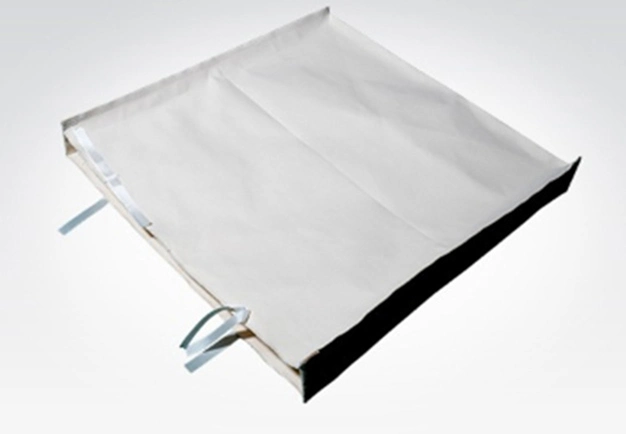
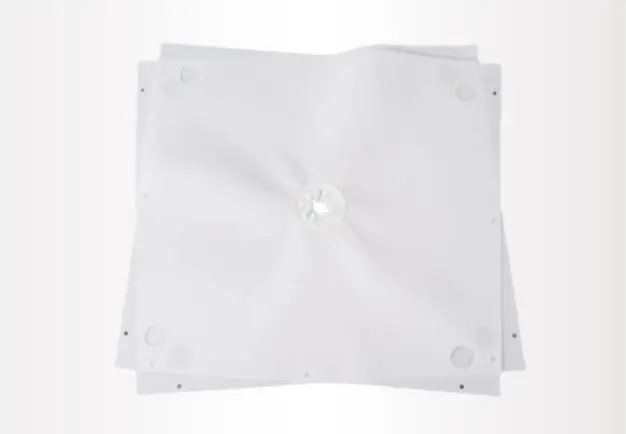
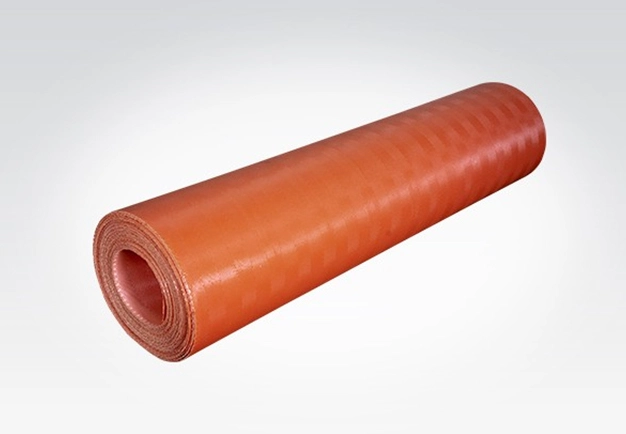
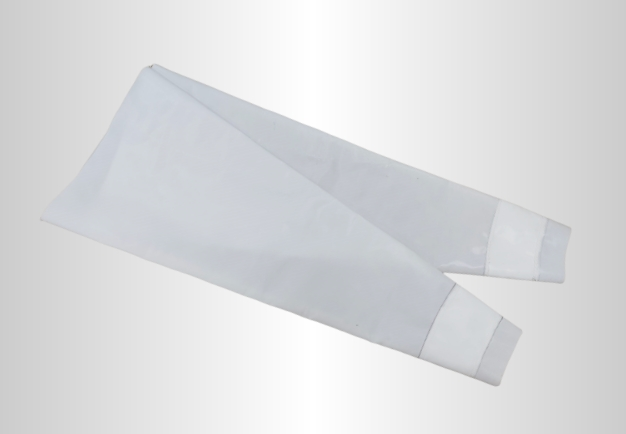
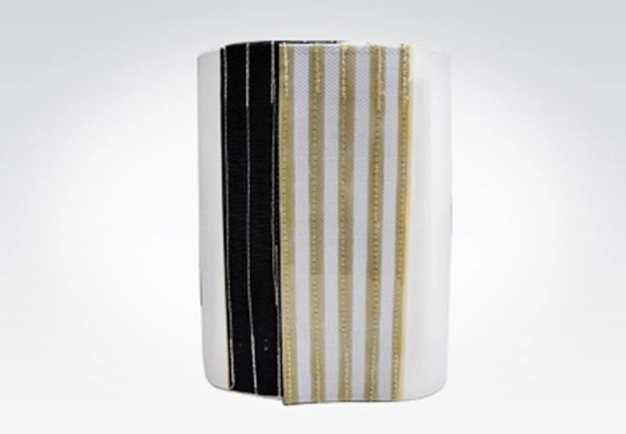
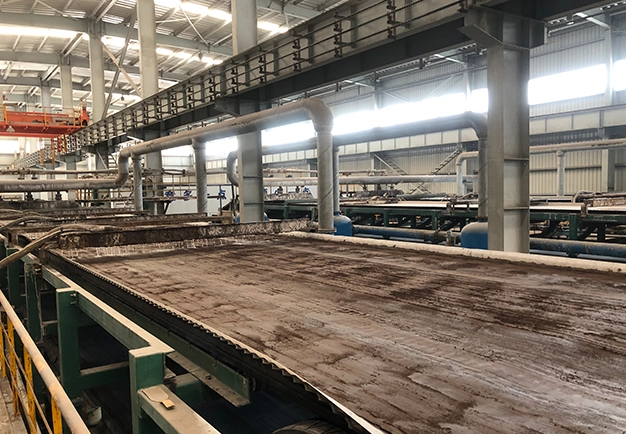
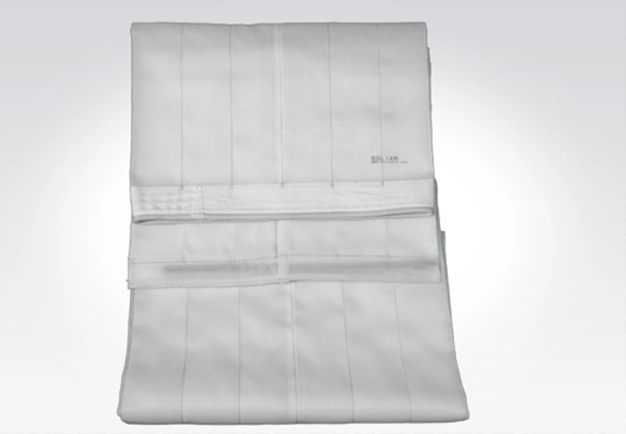
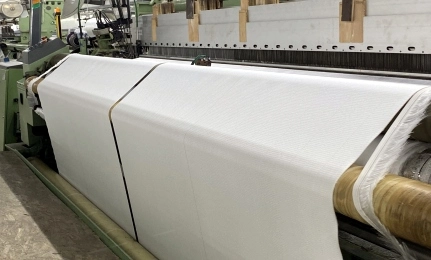
Vertical filter press cloth is a critical consumable in solid-liquid separation systems used in the chemical and mining industries. The selection of fabric material and structure directly affects filtration accuracy, production capacity, and service life. This article outlines common selection principles to help avoid typical application mistakes in real operating conditions.
The core principle of filter cloth selection is understanding the properties of the material being filtered.
In the chemical industry, chemical resistance and temperature resistance are key considerations. When dealing with acids, alkalis, and organic solvents, polypropylene (PP) filter cloth is widely used due to its excellent chemical stability. For high-temperature filtration processes—polyester (PET) filter cloth offers better thermal resistance and long-term reliability.
In the mining industry, the focus shifts to wear resistance and structural strength. Slurries such as concentrates and tailings contain hard, abrasive particles, making high-strength polyester filter cloth the preferred choice. For ultra-fine materials like aluminum hydroxide and calcium carbonate, filtration accuracy must also be carefully controlled to prevent particle leakage and material loss.
Filter cloth performance should be evaluated comprehensively rather than optimizing a single parameter.
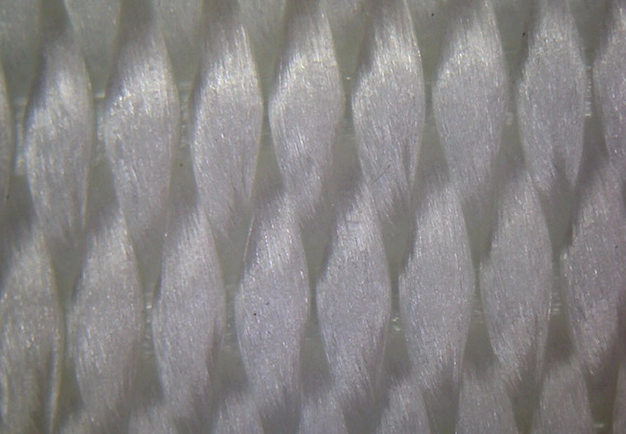
Higher filtration accuracy results in clearer filtrate but often reduces permeability and extends filtration cycles. Higher permeability improves throughput and lowers energy consumption, but insufficient accuracy may compromise separation efficiency. In general, long-fiber multifilament fabrics provide better permeability than short-fiber fabrics.
In addition, vertical filter presses place high tensile stress on filter cloths during automatic cake discharge. Therefore, high tensile strength and dimensional stability are essential for long service life. The ideal solution is to achieve a balanced combination of filtration accuracy, filtration speed, and cloth durability.
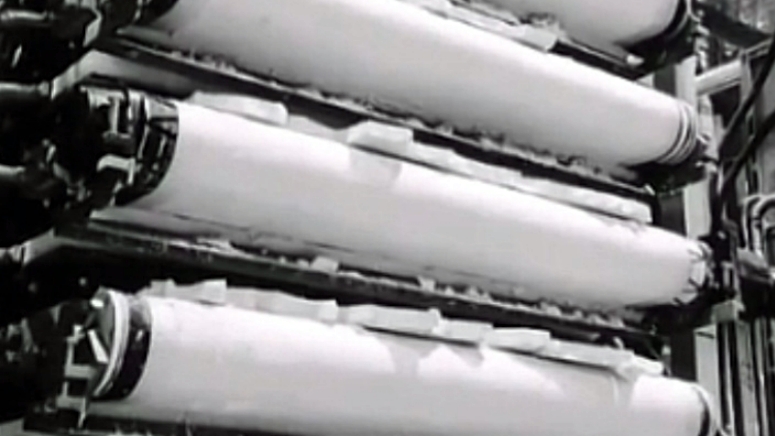
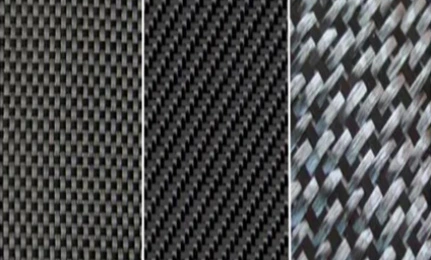
Different fabric structures are suitable for different operating conditions.
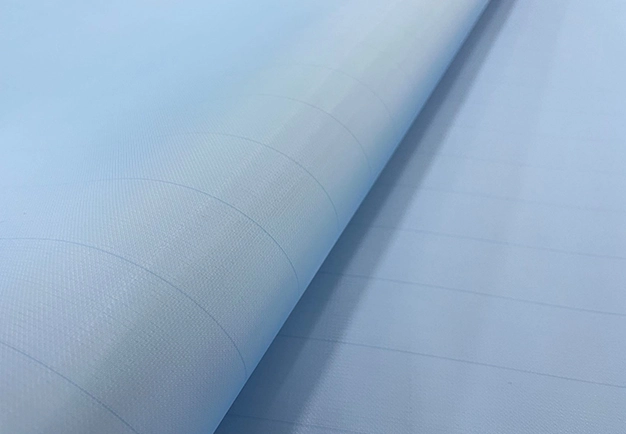
Multifilament filter cloth offers higher filtration accuracy but is more difficult to clean, making it suitable for fine chemical applications with strict filtrate clarity requirements.
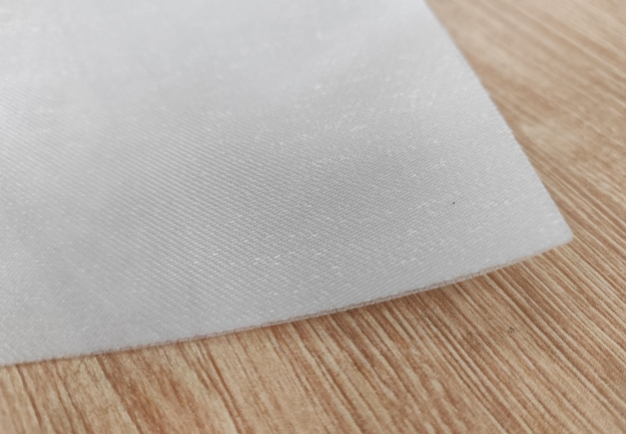
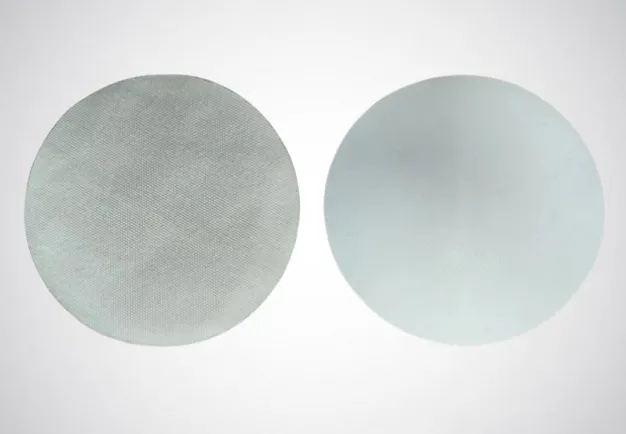
Nonwoven fabrics are typically used for disposable filtration, or special applications involving extremely fine particles.
Before large-scale use, on-site testing is essential. Key factors to evaluate include filtration speed, cake release performance, filtrate clarity, and fabric wear. Working closely with an experienced filter cloth supplier and providing detailed operating parameters—such as pH value, temperature, particle size distribution, and filtration pressure—often leads to a more precise and cost-effective customized solution.
Choosing the right filter cloth is not a cost—it is an investment that delivers stable operation, reduced downtime, and lower overall operating costs.