CN
CN
 EN
EN
 es
es  ru
ru 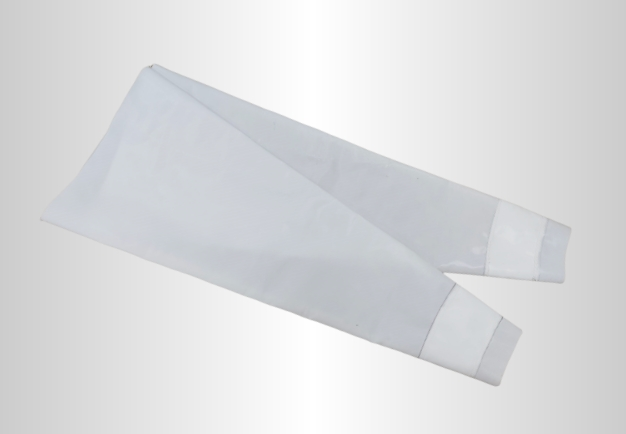




Jun 16, 2025

In the field of industrial solid-liquid separation, the Polyester Spiral Filter Belt is not only a consumable component but also a critical factor that directly affects equipment efficiency, filtration quality, and overall operating costs. Improper selection may lead to material leakage, clogging, short service life, and frequent replacement. In contrast, the right filter belt can significantly improve production stability and reduce comprehensive costs. Therefore, it is essential to evaluate and select the filter belt based on four key factors.
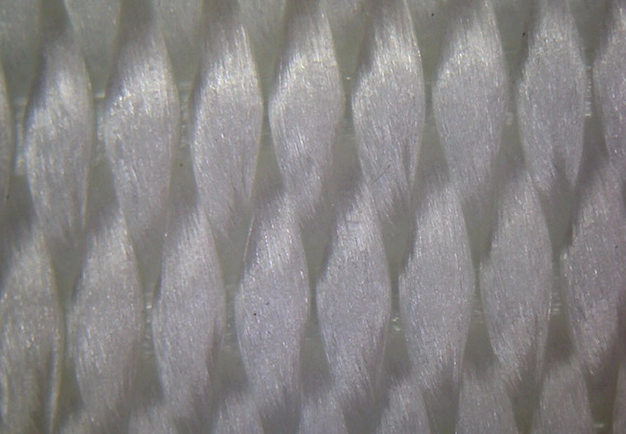
First, the quality of the monofilament raw material is the foundation that determines the service life of the filter belt. High-quality polyester monofilament should have uniform thickness, a smooth surface, and a naturally bright and translucent appearance, along with good flexibility and resilience. In practical applications, it offers high tensile strength and is less likely to break. On the other hand, monofilaments mixed with recycled materials often appear grayish or yellowish, with black spots and burrs. These defects not only reduce acid and alkali resistance but also cause material adhesion and difficult cleaning, resulting in lower filtration efficiency.
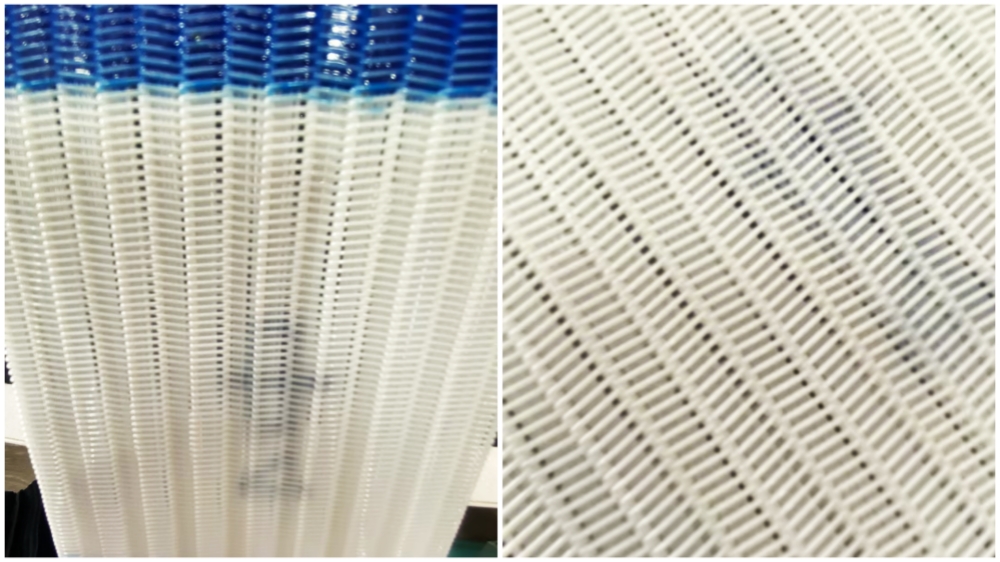
Second, air permeability matching is a key parameter affecting filtration performance. Higher air permeability is not always better; it must be accurately matched to the material characteristics. Proper air permeability selection helps achieve the optimal balance between filtration precision and efficiency.
Third, dimensional stability is directly related to installation performance and operational stability. High-quality polyester spiral filter belts are usually heat-set at high temperatures, allowing them to maintain structural stability under high temperature and long-term tension. If the dimensional change rate is too large, the belt may loosen, deviate, or even tear during operation, increasing downtime and maintenance costs.
Finally, customization capability reflects the professionalism of the supplier. Reliable manufacturers provide precise customization based on equipment model, old belt dimensions, and working conditions, ensuring the filter belt fully meets specific filtration requirements.
In summary, selecting a high-quality polyester spiral filter belt requires a comprehensive evaluation of monofilament material, air permeability, and dimensional stability. Choosing according to actual working conditions ensures efficient filtration, longer service life, and lower long-term operating costs.