CN
CN
 EN
EN
 es
es  ru
ru 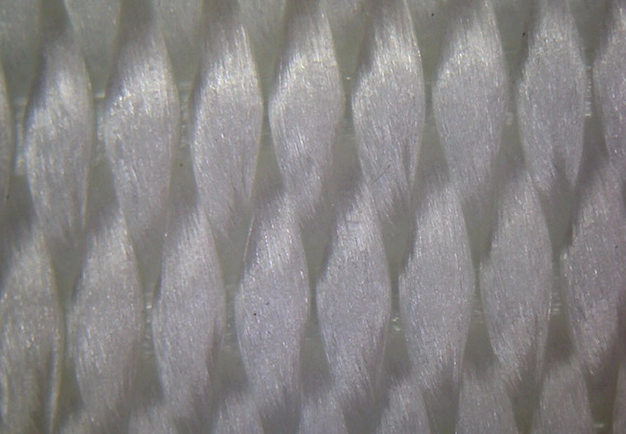



Jun 20, 2025

With rapid urbanization, municipal wastewater treatment plants are facing growing pressure from increased processing volumes, stricter discharge standards, and tighter cost control. As a key step in solid–liquid separation, filtration efficiency directly affects overall system performance. This article briefly introduces the specification features, material options, performance advantages, and selection points of this type of filter cloth to help users achieve better application results.
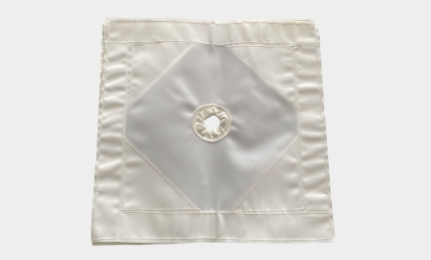
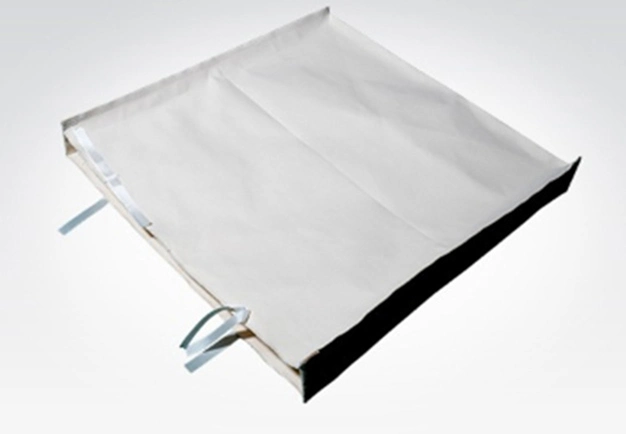
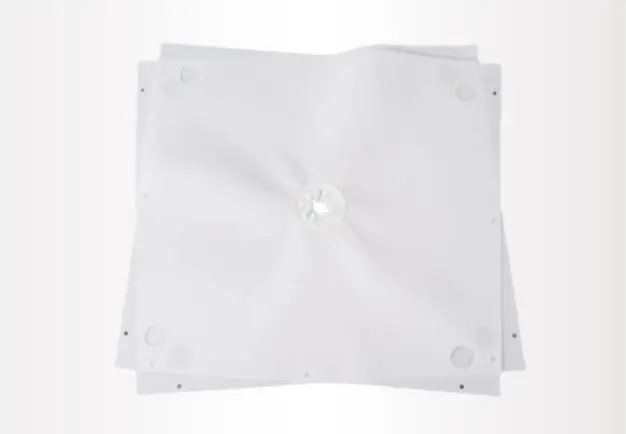
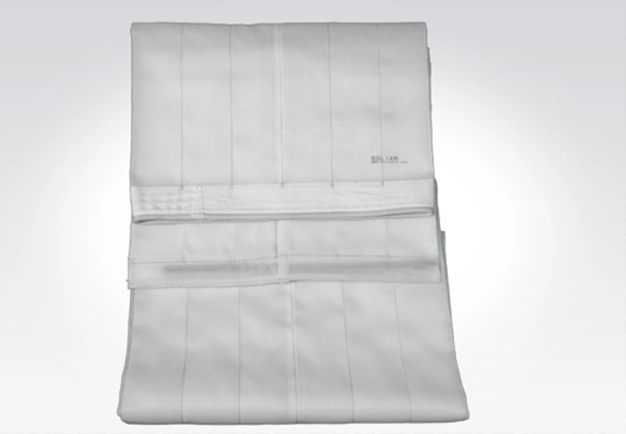
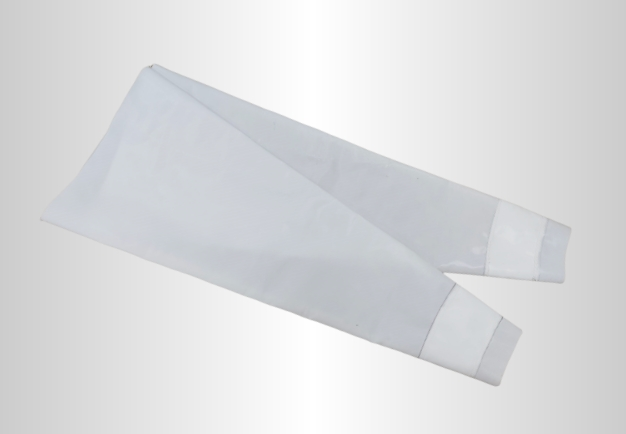
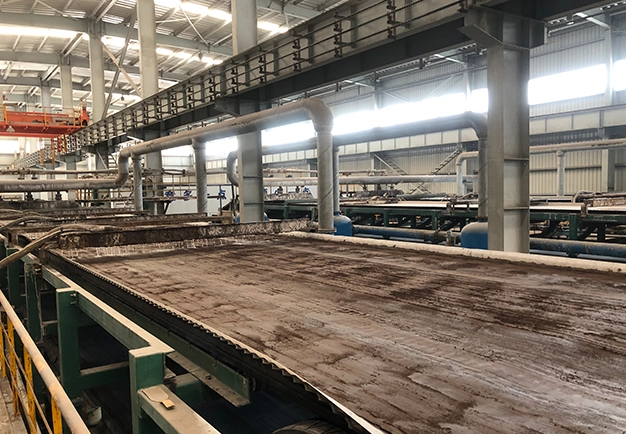
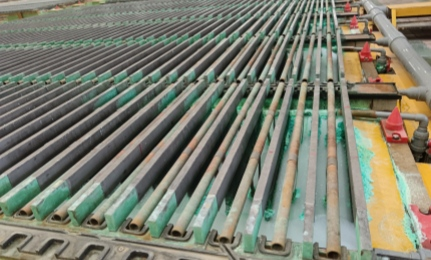
In municipal wastewater treatment, filter presses are widely used for sludge dewatering. The 1.25m × 1.25m size is a common large plate format suitable for medium-to-large processing capacities, offering high single-cycle throughput and efficient operation. The matching plate and frame filter cloth plays a critical role in filtration speed, cake moisture content, and cleaning frequency.
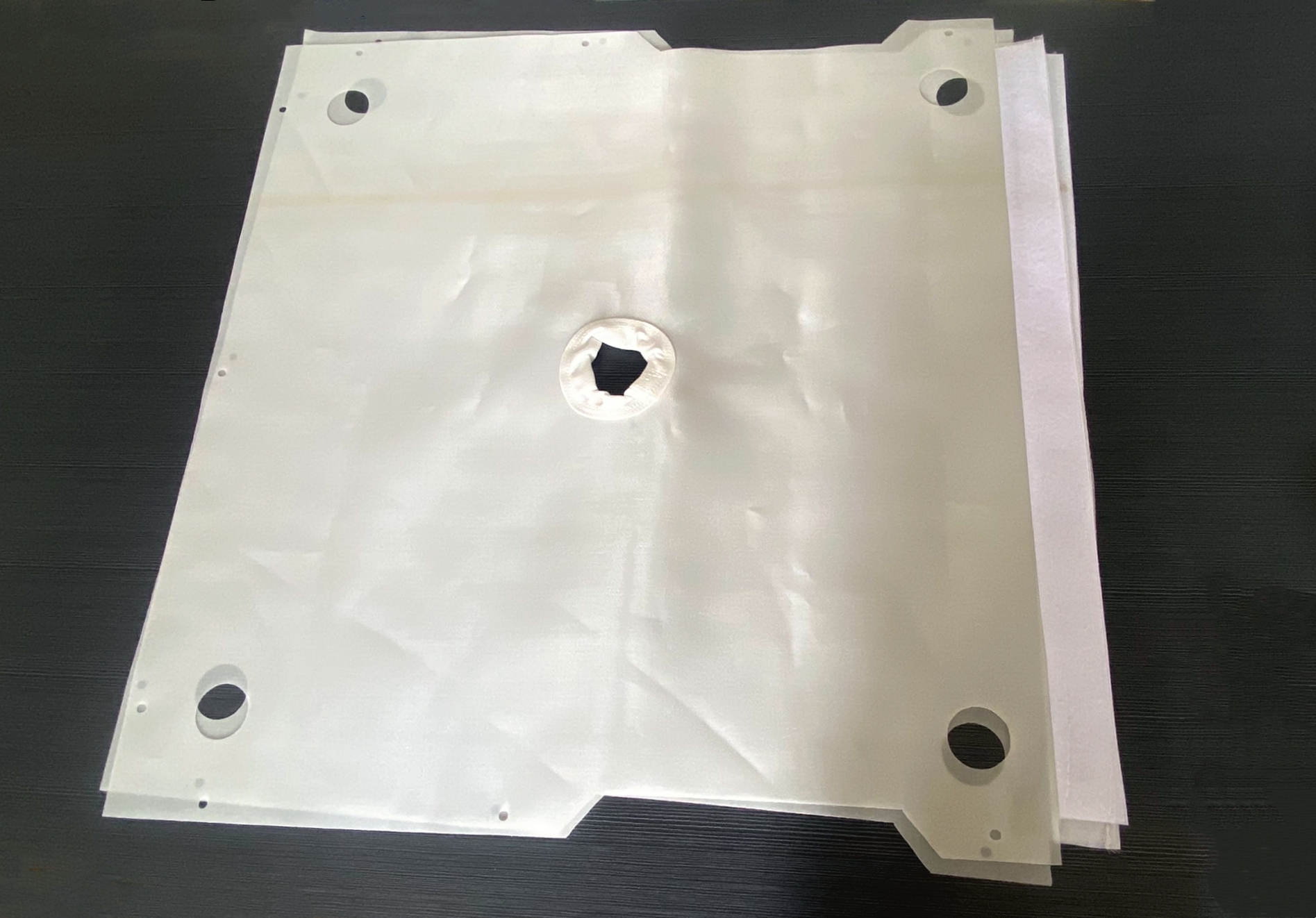
Municipal sludge is typically fine, sticky, and rich in organic matter. Therefore, filter cloth materials must balance strength, permeability, and anti-clogging performance.
Common options include:
PP (Polypropylene) filter cloth: Excellent chemical resistance, stable performance, cost-effective
PET (Polyester) filter cloth: High strength and dimensional stability, suitable for higher pressure conditions
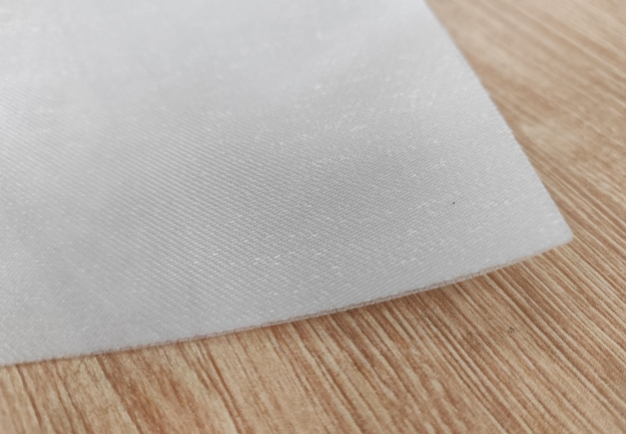
Monofilament or multifilament weaves: Improve cake release and reduce blinding
Different weave densities and surface treatments can be customized to match required filtration precision and flow rate.
Higher filtration efficiency
Optimized pore size and weave structure increase filtrate flow and shorten press cycles.
Lower cake moisture content
Improved surface design supports better cake formation and dewatering, reducing disposal costs.
Easy cleaning and anti-clogging
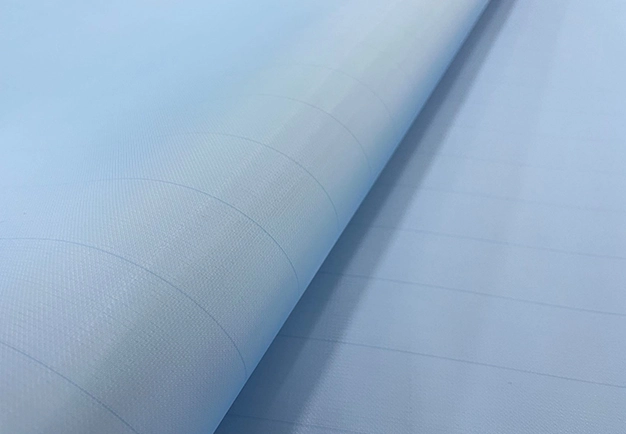
Smooth or calendered surfaces help reduce sludge adhesion, improve washing efficiency, and extend service life.
In municipal wastewater treatment, properly specified press filter cloth improves dewatering efficiency and reduces operating costs. The 1.25m × 1.25m size is a widely used standard that delivers stable solid–liquid separation when combined with optimized materials and custom design. Working with a professional supplier ensures better process matching and reliable long-term performance.