CN
CN
 EN
EN
 es
es  ru
ru 



Oct 10, 2025

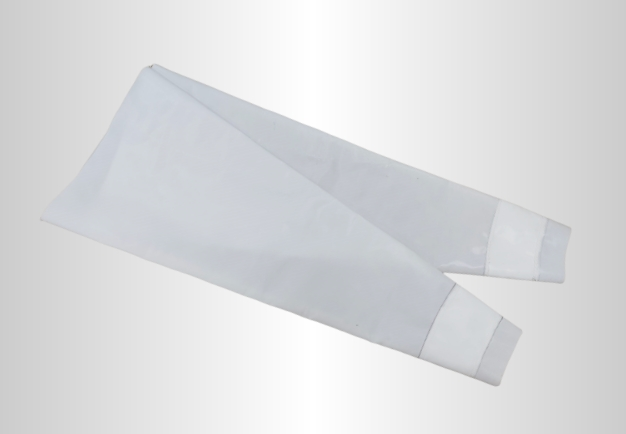
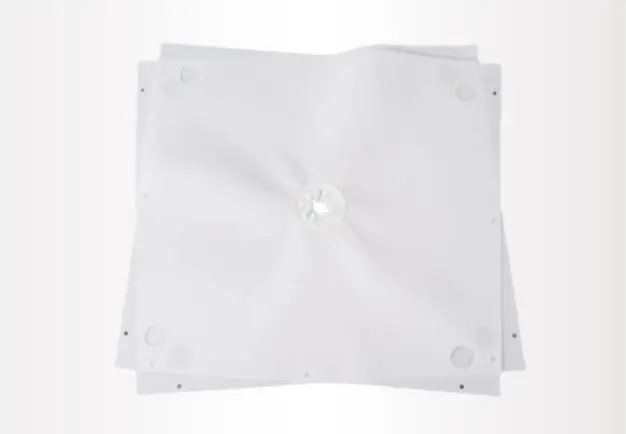
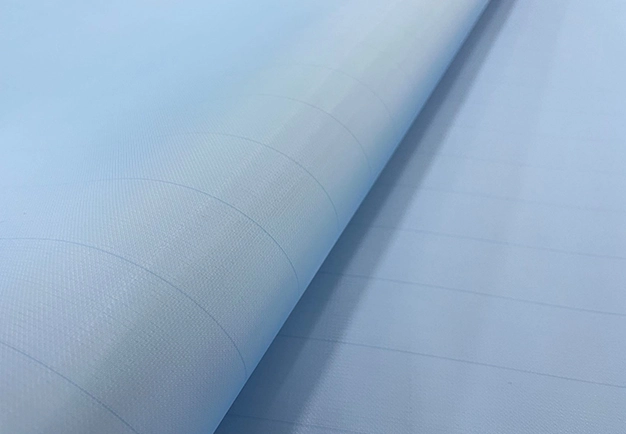
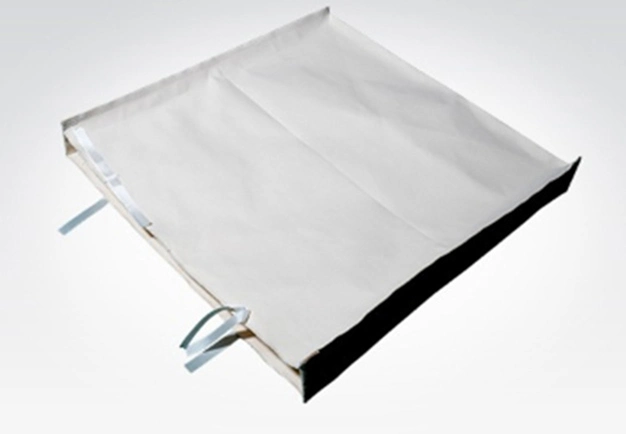
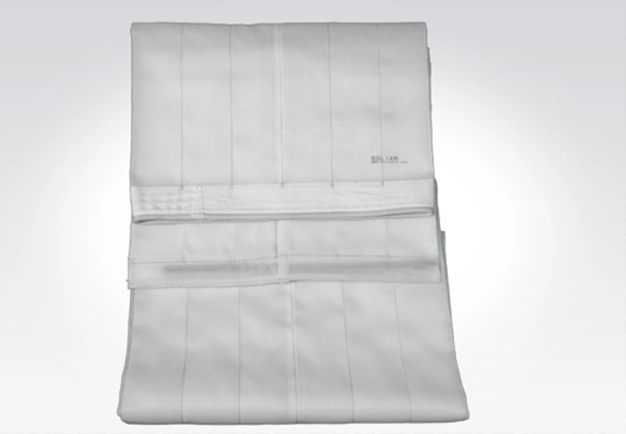
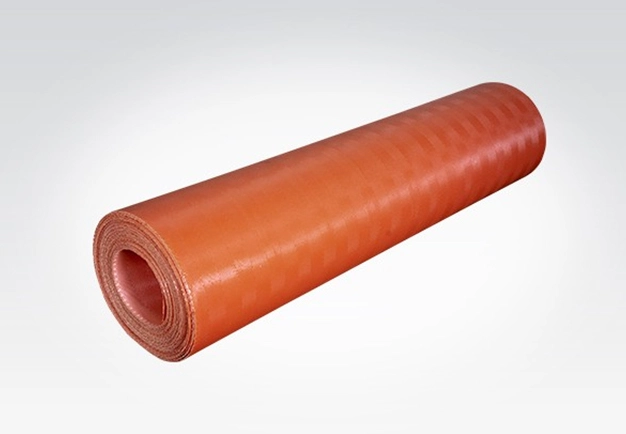
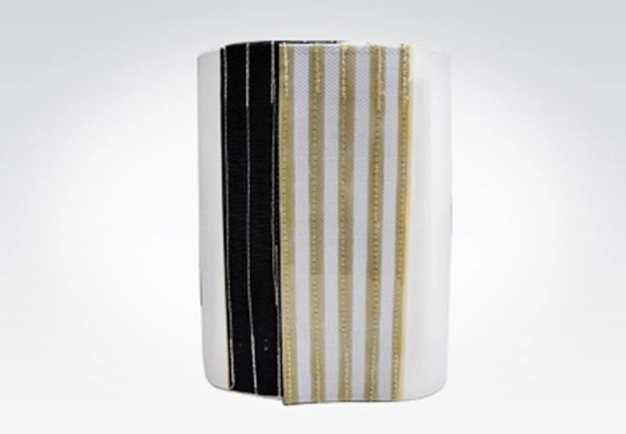
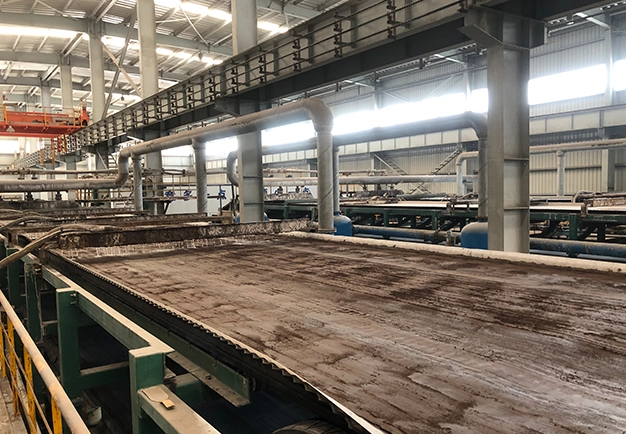
The filter cloth directly impacts the stability and efficiency of production in the liquid-solid separation process. As a critical component of this process, filter cloth is not only the foundation for effective material separation, but also a key factor in ensuring long-term, stable operation of the entire production line. Selecting the right filter cloth can significantly reduce downtime, improve operational safety, and provide strong support for optimizing total production costs.
Filter cloth plays an irreplaceable role in liquid-solid separation. It directly determines separation efficiency, filtration accuracy, and the continuous operating capability of filtration equipment. At the same time, it helps create a safer working environment for operators.
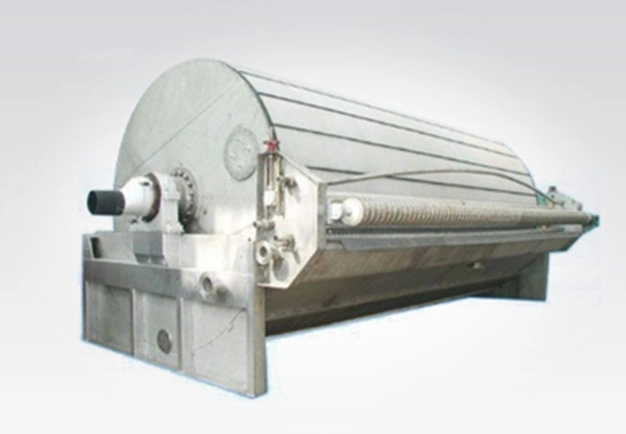
With a wide range of filter cloth materials, structures, and manufacturing processes available, choosing the right one can be challenging. The key lies in a thorough process analysis. Factors such as equipment type, particle size, filter cake characteristics, pH value, and operating temperature must all be carefully evaluated.
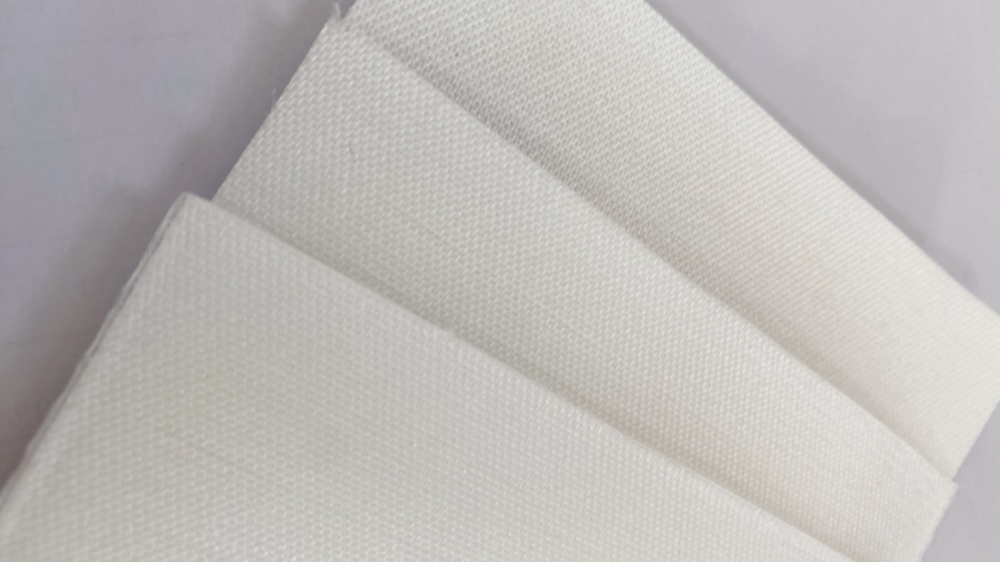
Based on this analysis, parameters including material, yarn selection, fabric weight, and finishing processes can be precisely defined to match the required permeability, chemical resistance, and mechanical strength. With the support of an experienced technical partner, the accuracy and efficiency of filter cloth selection can be greatly improved.
Improved Filtration Efficiency – Precise pore size control ensures optimal liquid-solid separation
Lower Operating Costs – Reduced energy consumption, maintenance frequency, and labor costs
Extended Service Life – Easy cake release and strong resistance to blinding and clogging
Optimized Product Quality – Stable filtration performance that meets process requirements
Reduced Downtime – Enhanced durability increases overall equipment utilization
Contact BOLIAN's technical experts today to discuss your specific process requirements. We will help you select filter cloth that truly match your application, enabling more efficient, stable, and cost-effective operations.