CN
CN
 EN
EN
 es
es  ru
ru Email Us:
bolian@boliancn.com



Mar 31, 2026

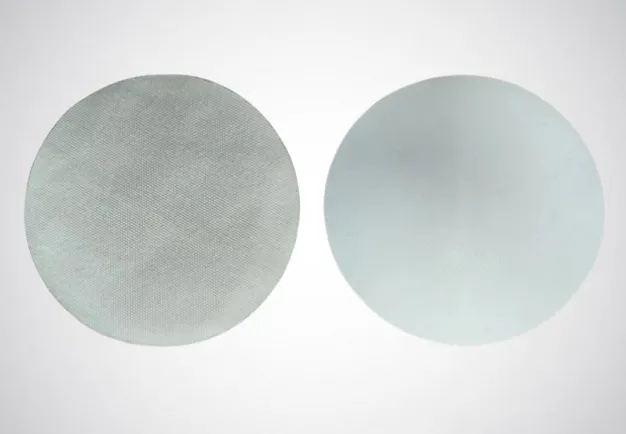




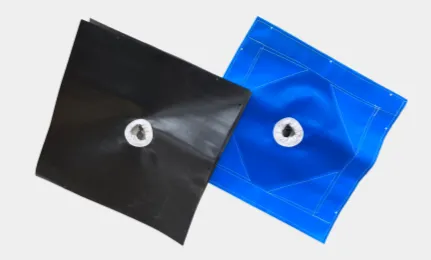
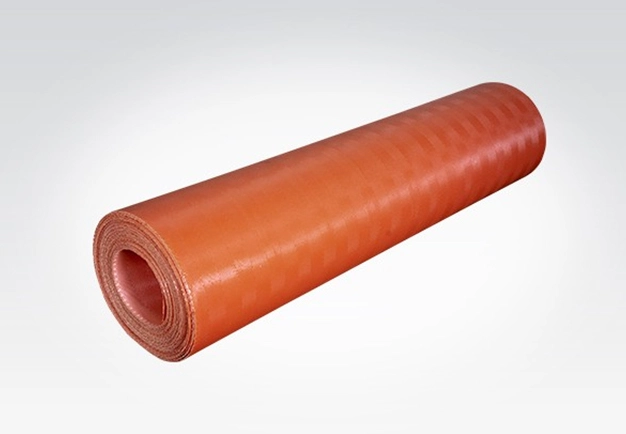
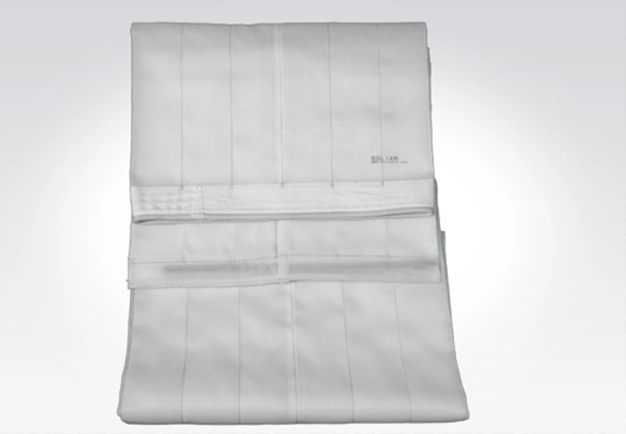
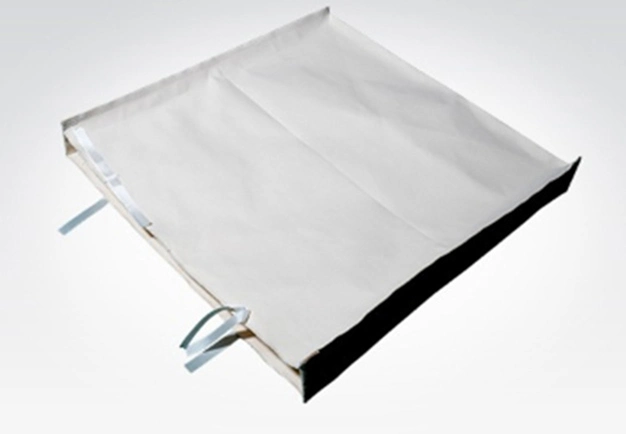
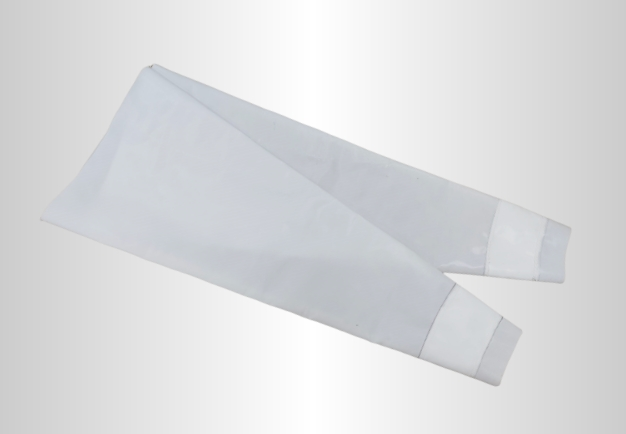
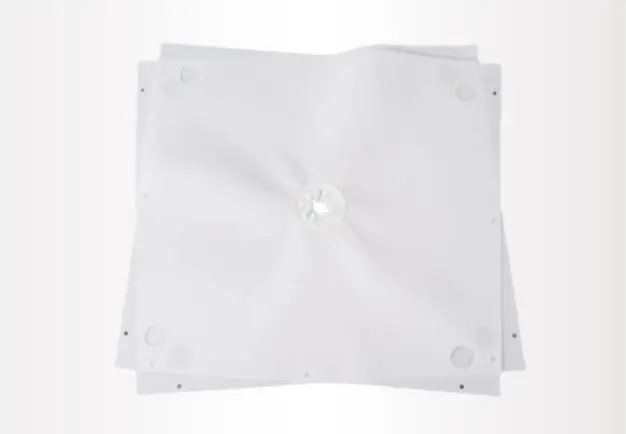
Independently developed products with a wide range of types, including PPS diaphragms and composite diaphragms for alkaline water electrolysis, specifically designed for ALK electrolyzers.
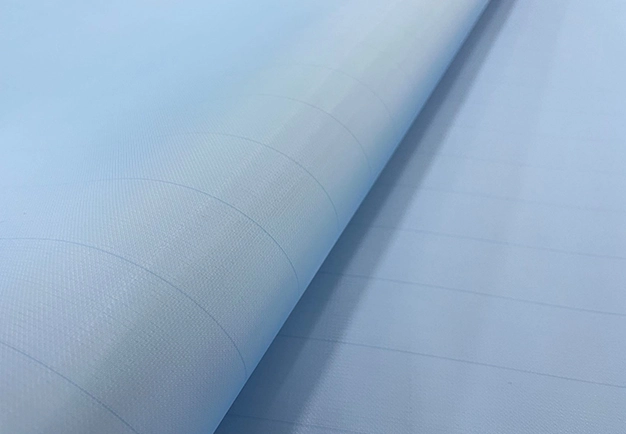
The second-generation hydrogen production diaphragm is developed by chemically modifying the original PPS fabric to achieve excellent hydrophilicity. It features high mechanical strength, outstanding high-temperature resistance, and low surface resistance.
With a maximum width of up to 3.6 meters, the product fully meets the diaphragm size requirements of current ALK electrolyzer systems. It has been thoroughly tested in operation, demonstrating safe and reliable performance.
The third-generation hydrogen production diaphragm is a composite membrane manufactured through a series of processes, including the preparation of a polysulfone (PSF) / zirconia (ZrO₂) casting solution, single- or double-sided scraping film, pre-evaporation, immersion precipitation phase inversion, and post-treatment.
This product is designed to meet the increasing demand for lower energy consumption and higher efficiency in ALK electrolyzer systems. Its key advantages include significantly enhanced gas barrier performance and improved hydrophilicity. In addition, the thinner membrane structure delivers lower surface resistance, greatly contributing to reducing the overall cost of green hydrogen production.
Low Surface Resistance Design: Fine-denier fiber selection combined with low-twist spinning and optimized weaving effectively reduces surface resistance.
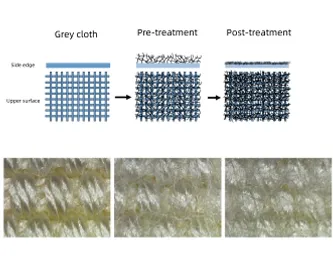
Post-Treatment: Post-finishing processes are employed to reconstruct the yarn structure, significantly enhancing fabric density and pore size uniformity.
Advanced Physical Modification Strategy: Compared with chemical hydrophilic modification methods for reducing surface resistance, the physical modification approach greatly enhances performance stability and extends service life.
PPS Mesh Pre-Treatment: A solvent swelling process is applied to PPS fibers, followed by polymer drying to form a tightly bonded intermediate polymer layer. This creates a robust adhesion layer, which, under the action of slurry solvents, significantly enhances the bonding strength between the base mesh and the coating.
Coating Technology: Advanced double-sided slot-die coating or single-sided secondary roll coating processes are adopted to achieve uniform, continuous coating across wide widths (>2.2 m).
Curing Process: A pre-curing step is introduced, enabling solidification within a pure water coagulation bath system. This approach greatly reduces solvent consumption in the coagulation bath and minimizes the complexity of solvent-containing wastewater treatment.