CN
CN
 EN
EN
 es
es  ru
ru 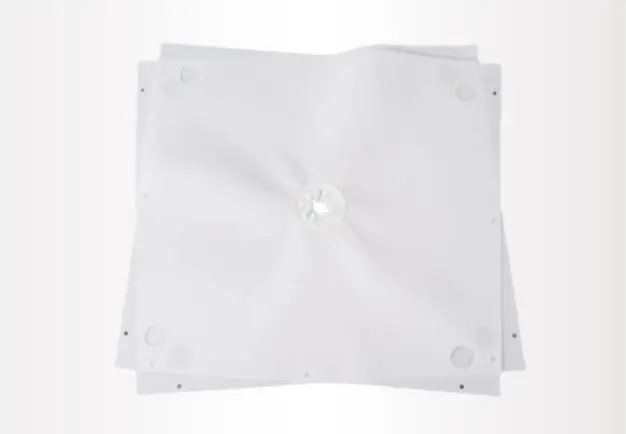



Apr 17, 2026

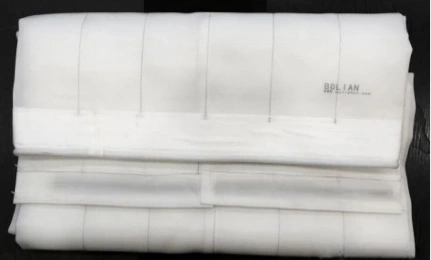
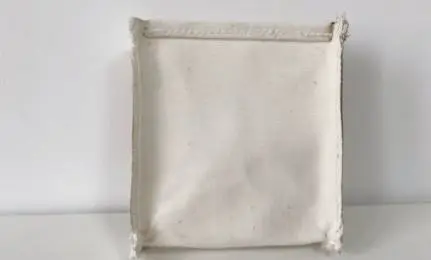
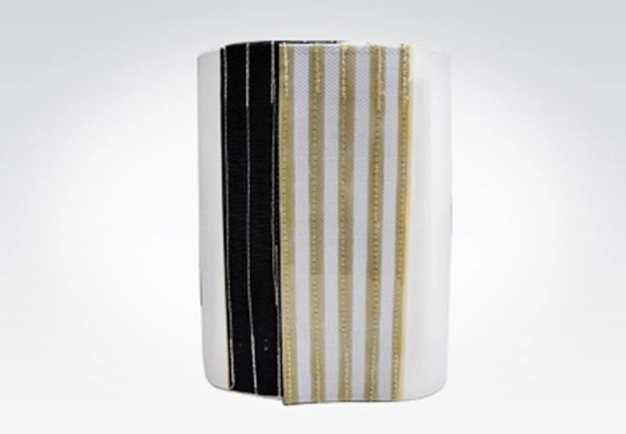
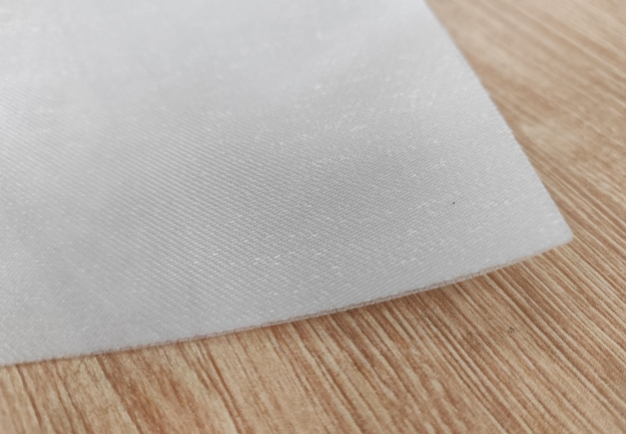
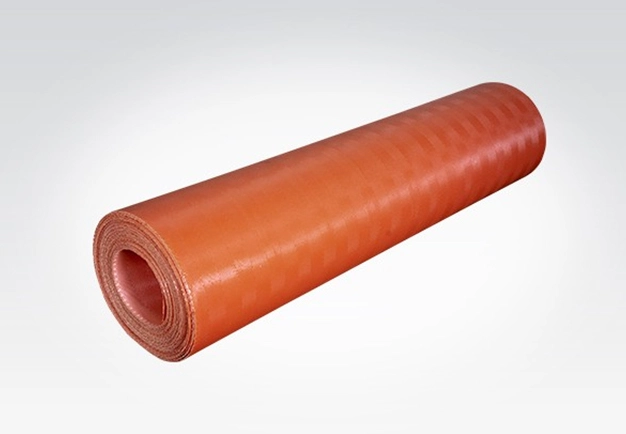
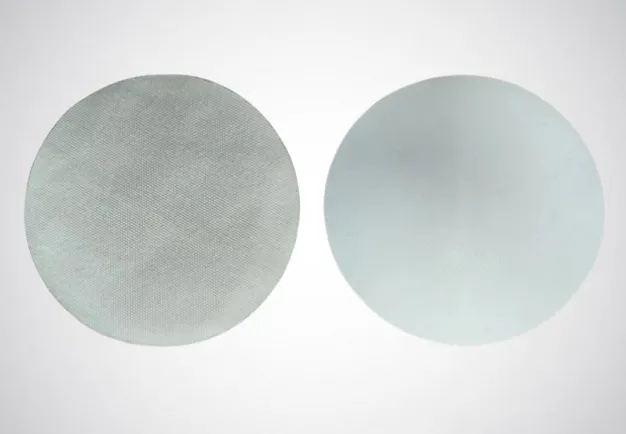
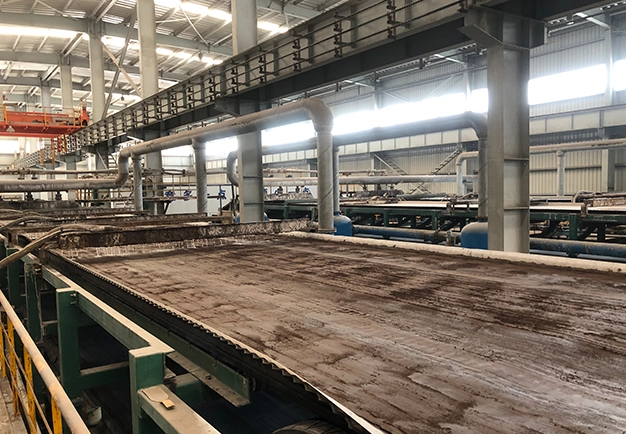
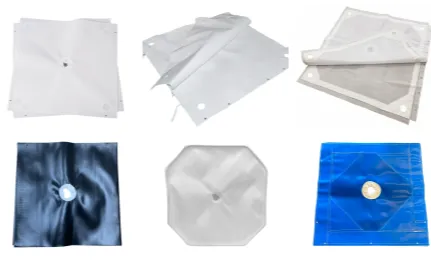
Filter cloth is the core component of a filter press system. Its structural design directly affects filtration efficiency, cake quality, and service life. In practical applications, filter cloth can be classified and selected based on installation style, material, and fabric design.
Barrel Neck Type:
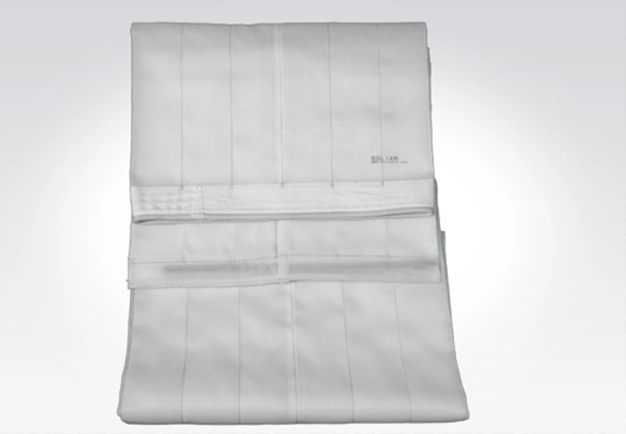
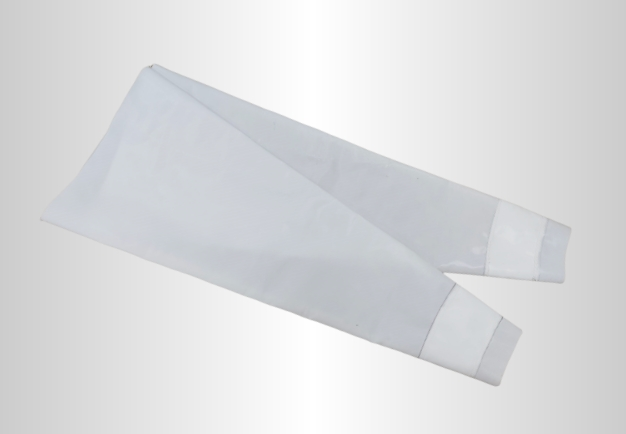
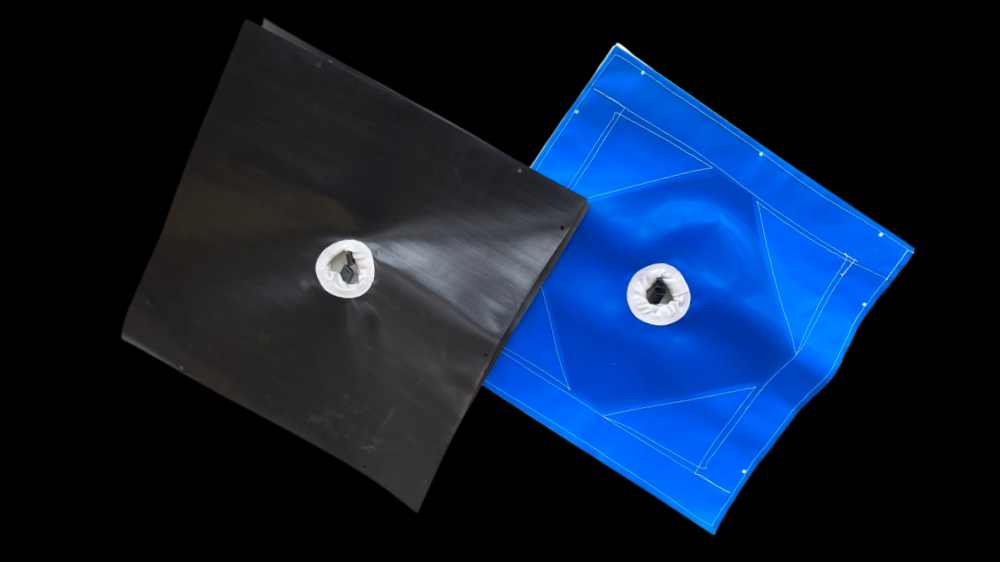
This type features a central hole with a sewn sleeve that fits over the feed neck of the filter plate. It offers easy installation and reliable sealing, making it the most widely used option.
Recessed Type:
The edges of the filter cloth are pressed into grooves around the filter plate, forming a mechanical seal. It provides excellent anti-leakage performance and is suitable for high-pressure and high-precision filtration.
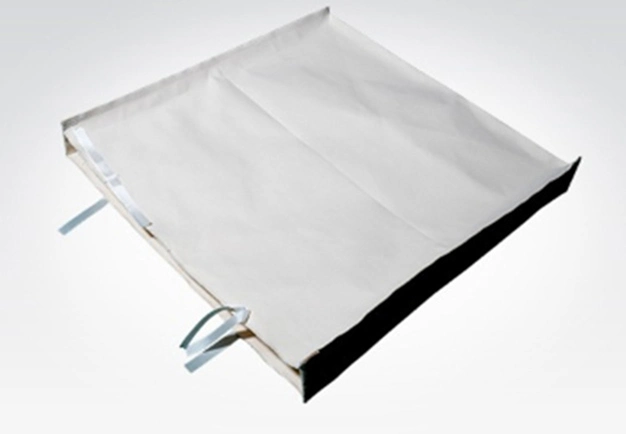
Drape-over Type:
This type is draped over the filter plate and fixed with ties or fasteners. It is mainly used in small equipment or applications requiring frequent replacement and cleaning. However, its sealing performance is relatively weaker.
Polypropylene (PP):
PP offers excellent resistance to acids and alkalis, making it ideal for chemical and environmental applications. However, its temperature resistance is relatively limited.
Polyester (PET):
PET provides high strength and good abrasion resistance. It performs well in neutral and acidic conditions but is not suitable for strong alkaline environments.
Nylon (PA):
Nylon has outstanding wear resistance and elasticity, making it suitable for filtering abrasive materials. However, it should be used cautiously in strong acid conditions.
Nonwoven Fabric:
Due to its loose structure and lower strength, nonwoven fabric is generally not used as the main filter cloth in filter presses.
Multifilament Yarn:
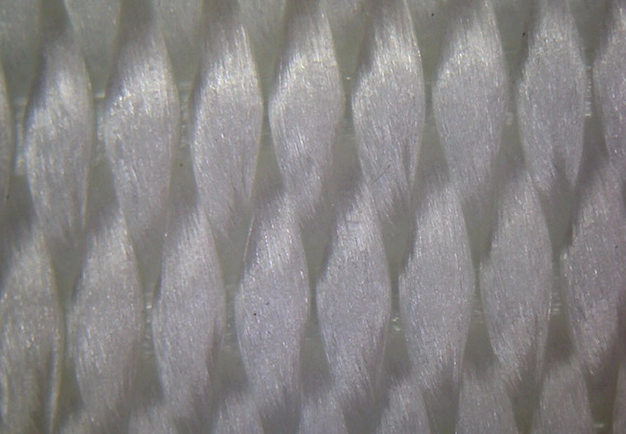
Composed of multiple fine filaments twisted together, offering strong particle retention and high filtrate clarity, but more prone to clogging.
Monofilament Yarn:
Made of single smooth fibers, providing excellent cake release and resistance to clogging.
Staple Fiber Yarn:
Produced from short fibers, featuring a fuzzy surface, but lower filtration precision.
Plain Weave:
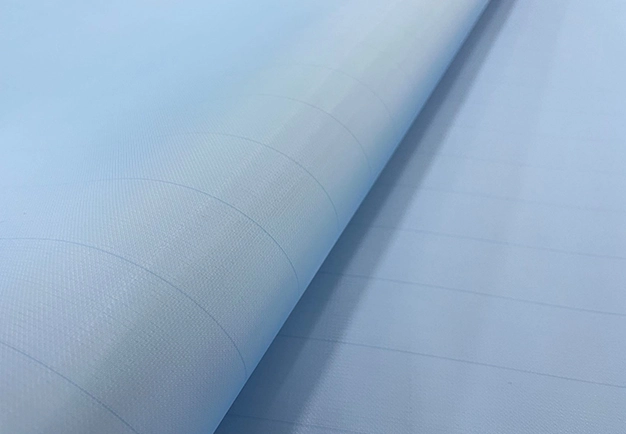
A tightly interlaced structure with uniform pore size, offering high filtration precision but lower permeability.
Twill Weave:
Provides a balance between filtration precision and permeability, making it the most commonly used structure.
Satin Weave:
Features a smooth surface and excellent cake release, but relatively lower filtration precision.
There is no universal solution for filter press cloth selection. The optimal choice depends on specific working conditions such as temperature, pH value, particle characteristics, and filtration requirements. Proper selection ensures better filtration performance, longer service life, and improved cost efficiency.