CN
CN
 EN
EN
 es
es  ru
ru 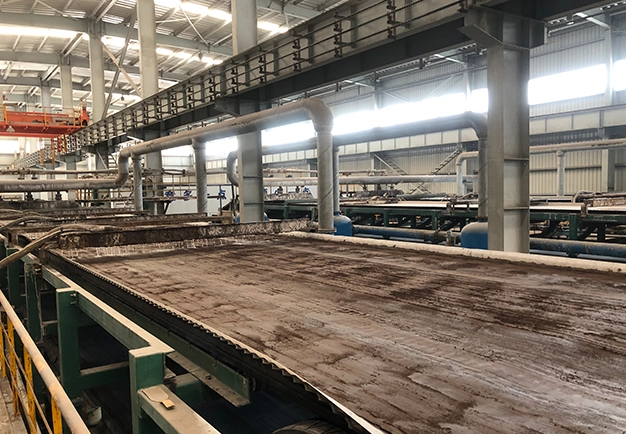



Sep 26, 2025

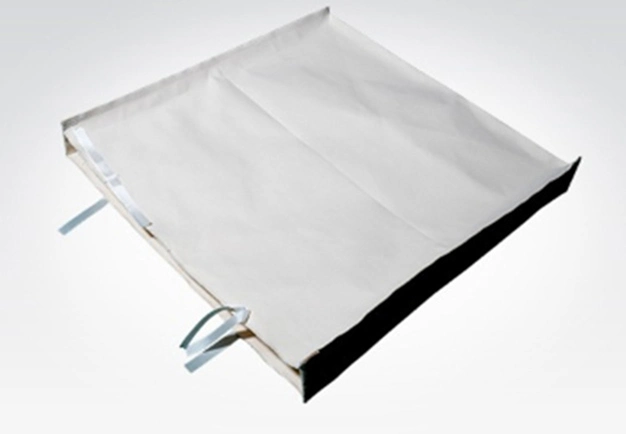
In the process of metal beneficiation and concentrate production, tailings treatment remains a critical factor affecting safety, environmental protection, and cost control. With the advancement of green mining initiatives and the promotion of dry stacking management, tailings dewatering has become increasingly important. Within the entire dewatering system, filter cloth — as the core medium directly involved in solid-liquid separation — plays an irreplaceable role.
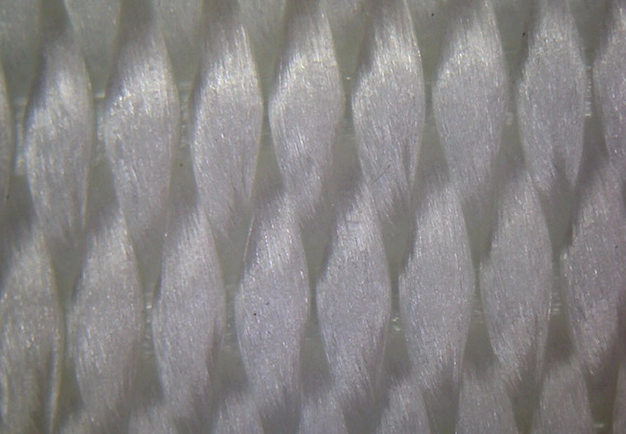
Tailings slurry is typically characterized by fine particle size, high mud content, and complex composition, placing stringent demands on filtration materials. High-quality filter cloth must provide excellent particle retention and air permeability, along with superior cake release performance to reduce cake moisture and shorten filtration cycles.
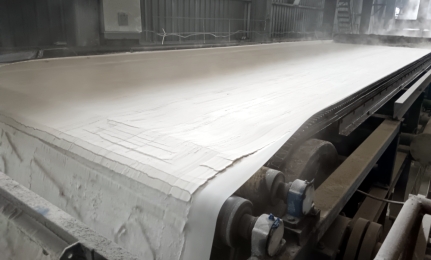
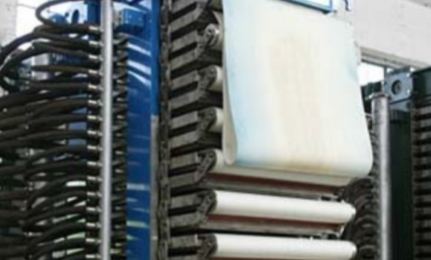
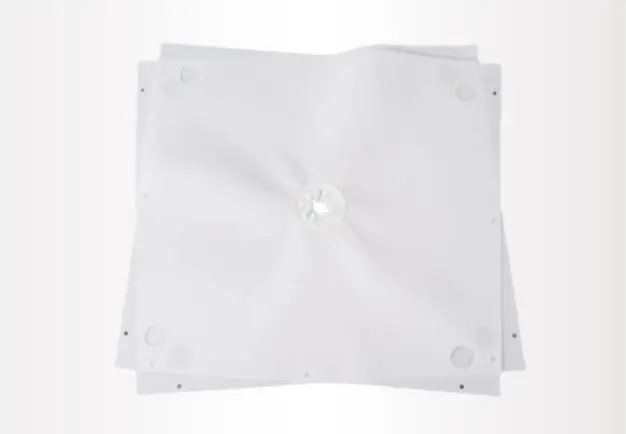
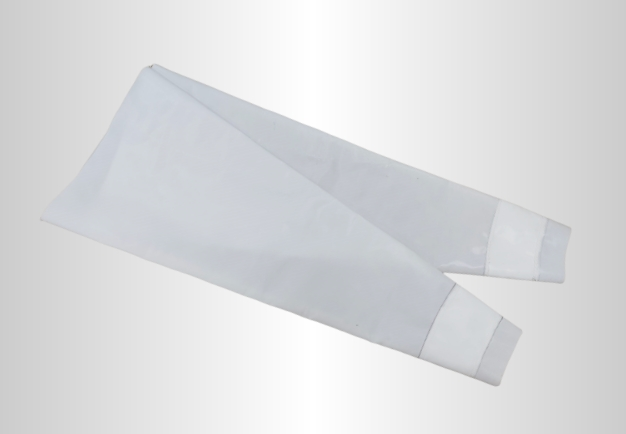
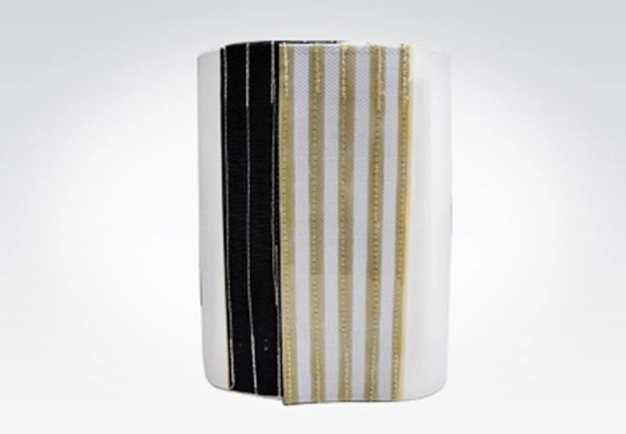
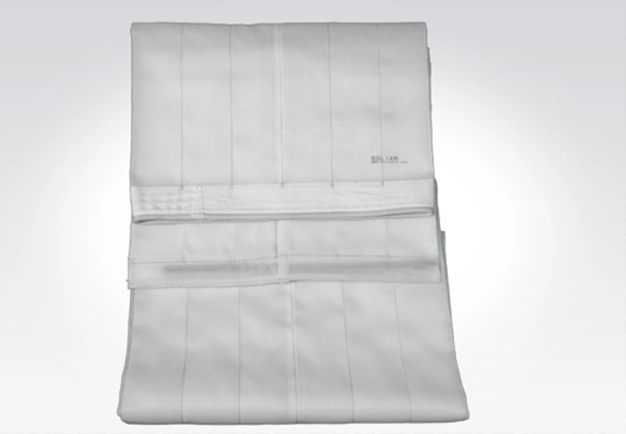
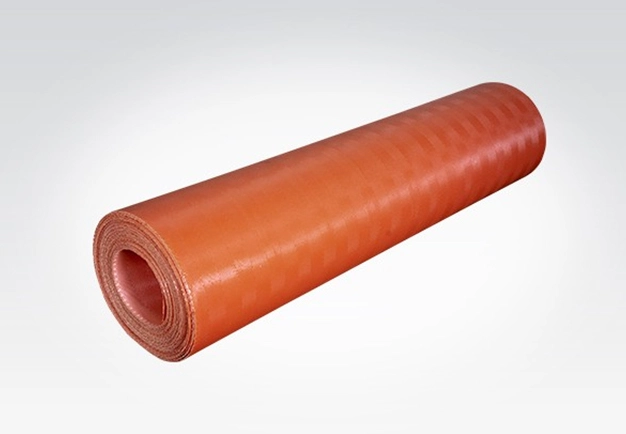
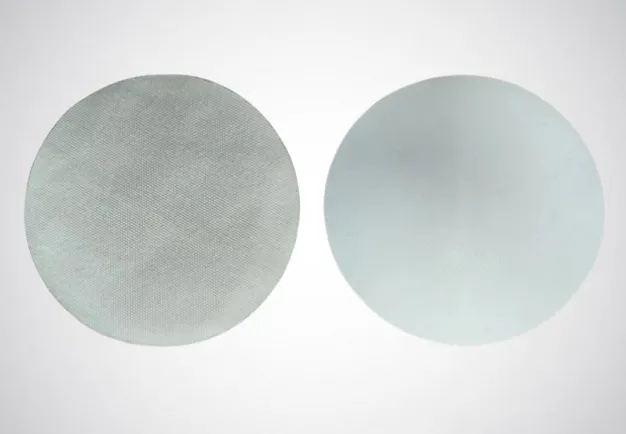
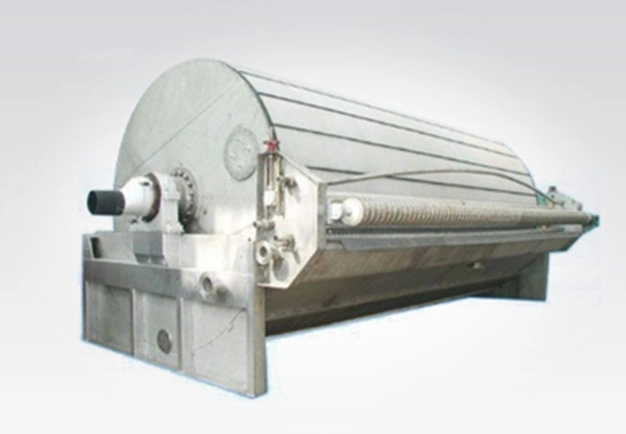
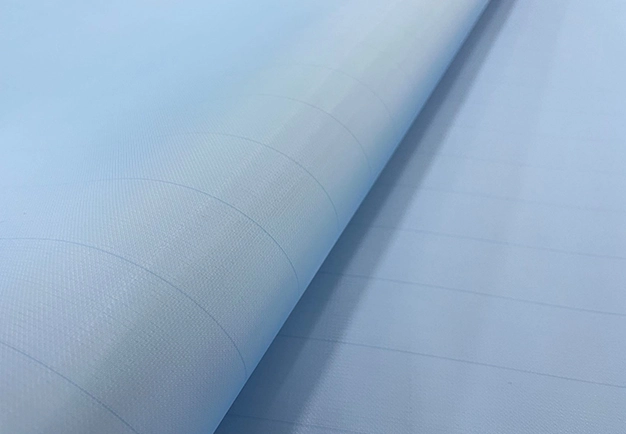
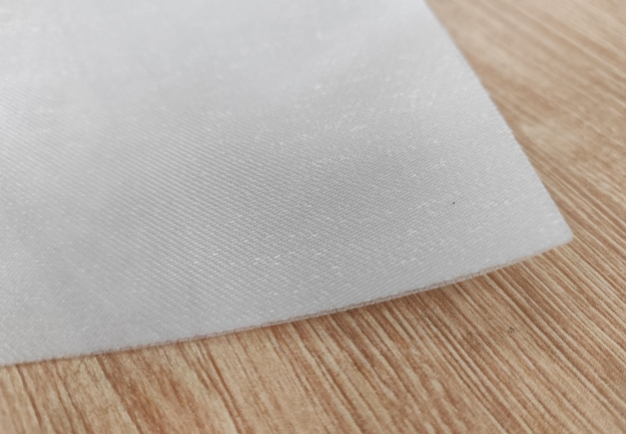
In equipment such as plate and frame presses, belt filters, disc filters, and rotary drum filters, the fabric structure and fiber material of the filter cloth directly affect operational efficiency. Improper selection may result in high cake moisture, clogging, or difficult cake discharge, increasing energy consumption and maintenance costs.
Efficient dry stacking depends on consistently achieving low-moisture filter cakes. This requires precise matching based on ore properties, particle size distribution, slurry concentration, and operating conditions. Laboratory filtration testing helps identify the optimal solution for specific applications.
Effective dewatering reduces water storage in tailings ponds, minimizes leakage and dam failure risks, lowers storage and transportation costs, and enhances resource recovery rates. High-performance filter cloth acts as a performance multiplier by optimizing filtration cycles and cake quality, thereby improving the overall efficiency of solid-liquid separation systems.
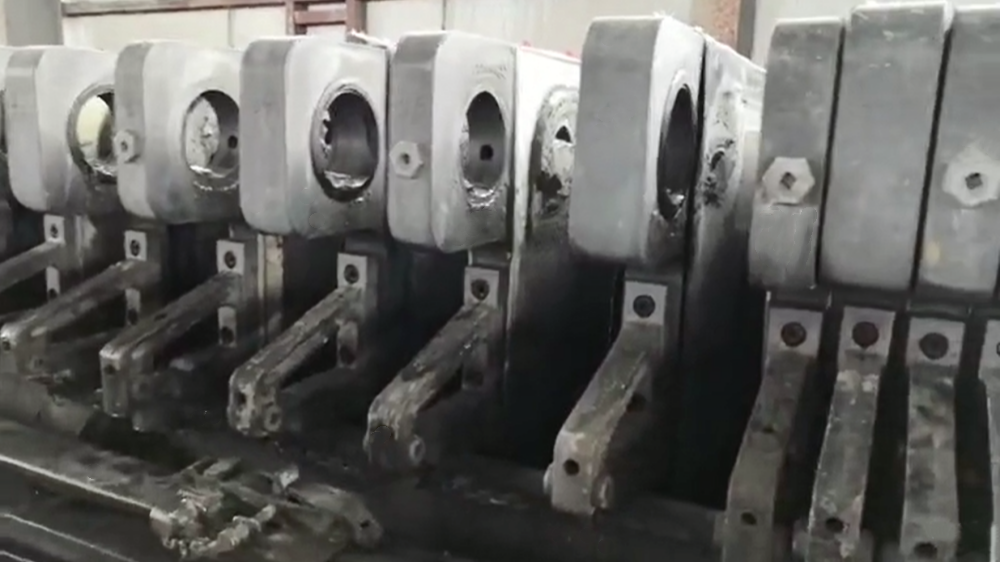
As tailings dewatering moves toward higher efficiency, energy savings, and environmental sustainability, filter cloth is no longer merely a consumable material but a key component influencing system performance and long-term sustainability. Through scientific selection and professional technical support, mining companies can enhance dewatering efficiency and achieve safe dry stacking and greener production.
Looking ahead, as environmental regulations and resource utilization standards continue to rise, filter cloth technology will keep evolving, providing strong support for high-quality development in the mining industry.