CN
CN
 EN
EN
 es
es  ru
ru 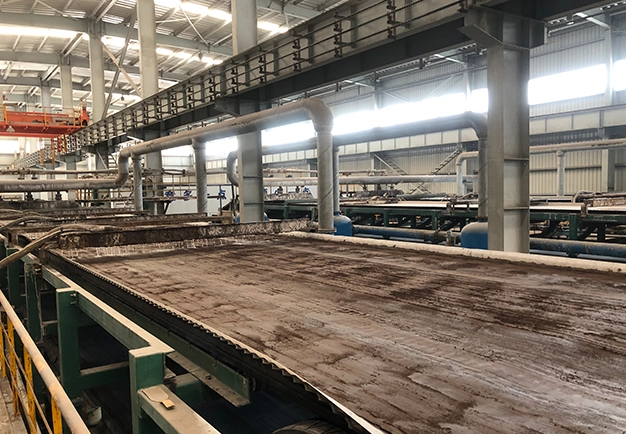



Dec 16, 2024

In continuous belt filter systems, the filter cloth operates at high speed in the form of a loop created by connecting both ends of the fabric. But how do you connect a filter cloth that can be tens of meters long to form a strong, smooth, and durable endless belt? The key component responsible for this is the filter cloth clipper.
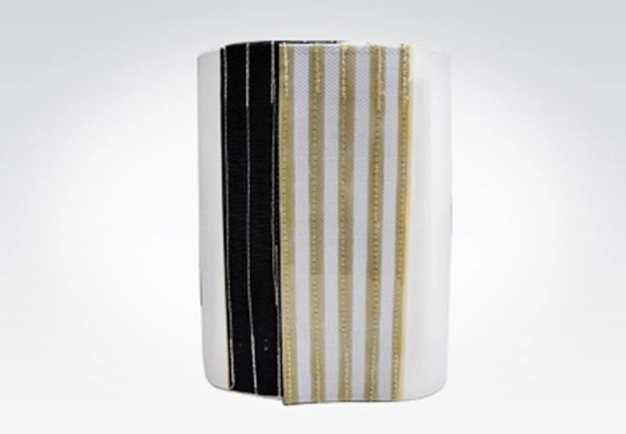
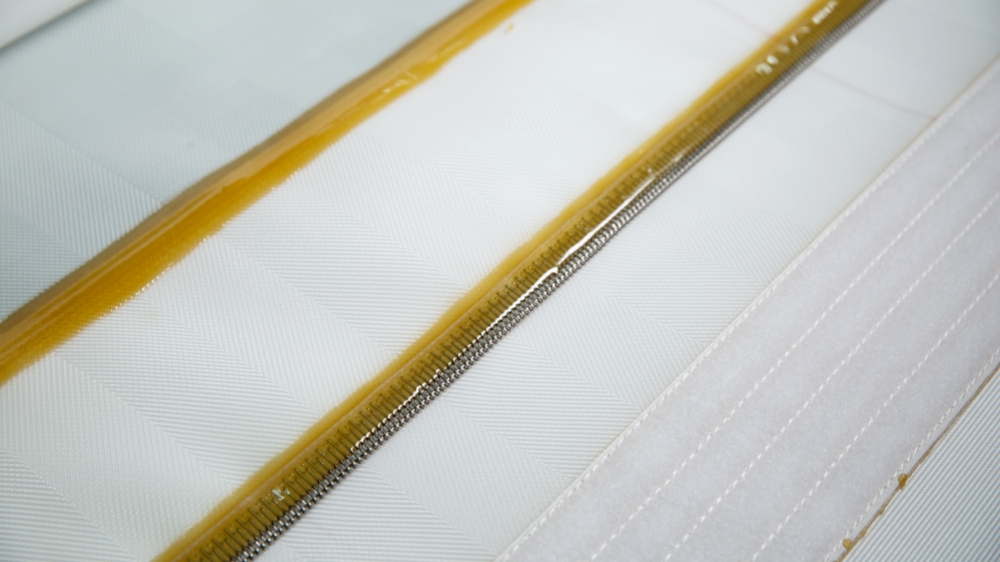
A filter cloth steel clipper, typically made from high-strength, corrosion-resistant stainless steel or special alloys, is a connecting assembly used to join the two ends of a belt filter cloth. It consists of two toothed metal strips and a pin wire.
The pin wire is inserted through the loops of the two strips—similar to a zipper—precisely interlocking them and forming a secure and seamless connection for the filter cloth.
High connection strength
The metal interlocking structure provides extremely high tensile strength, allowing the joint to withstand the significant pulling forces generated during tensioning, washing, and filtration. This prevents the seam from separating under high loads.
Smooth operation
High-quality steel clipper connections are nearly the same thickness as the filter cloth itself, creating a smooth transition across the joint. This ensures that the cloth runs smoothly over rollers without wrinkling or misalignment, which is essential for stable equipment operation.
Durability and sealing performance
Stainless steel materials resist corrosion from wash water, chemicals, and sludge. The tightly interlocked structure helps prevent fine particles from leaking through the joint, ensuring filtrate quality.
Convenient maintenance
If a section of the filter cloth becomes damaged, the steel clipper can be removed and the damaged section replaced without changing the entire belt. This significantly reduces maintenance time and material costs.
Model compatibility
Clippers come in specific model series and must match the thickness, material, and tensile strength requirements of the filter cloth and equipment. Mixing different models should be avoided.
Material selection
Depending on the corrosive environment of the filtration process, choose the appropriate grade of stainless steel or even higher-grade alloy materials.
Proper installation
Ensure the two clipper strips are parallel and aligned. Incorrect installation may result in weak joints, uneven operation, or even tearing of the filter cloth.
Regular inspection
During routine maintenance, inspect the steel clippers for deformation, wear, corrosion, or loose connecting pins, and address any issues promptly.
Although small in size, the filter cloth clipper is a critical metal joint that ensures the continuous, efficient, and stable operation of belt filtration systems. Selecting the correct model and ensuring proper installation and maintenance are key to achieving long-term reliable performance of belt filter cloth.