CN
CN
 EN
EN
 es
es  ru
ru 




Mar 06, 2025

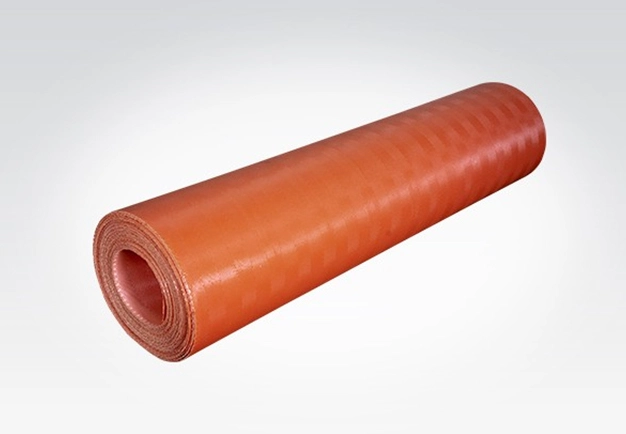
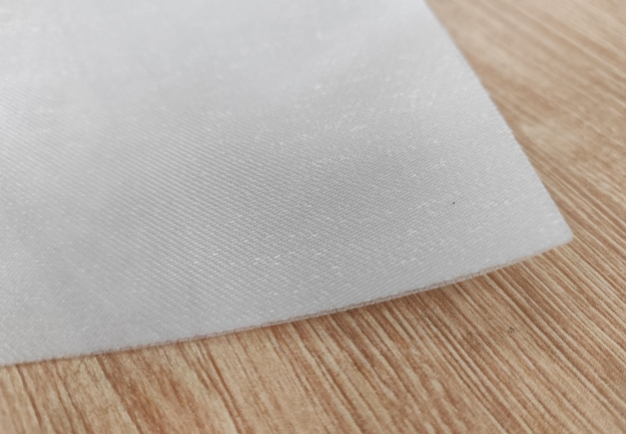
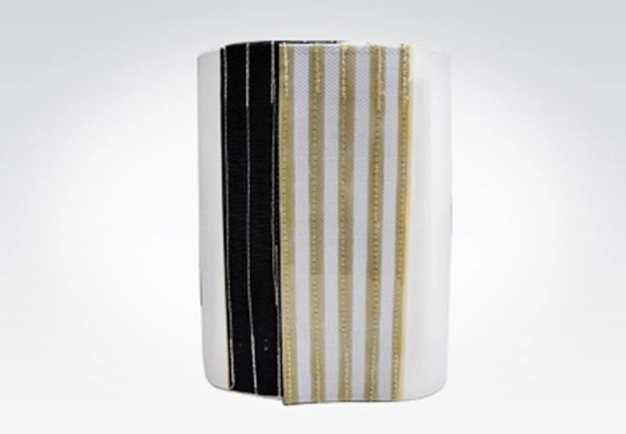
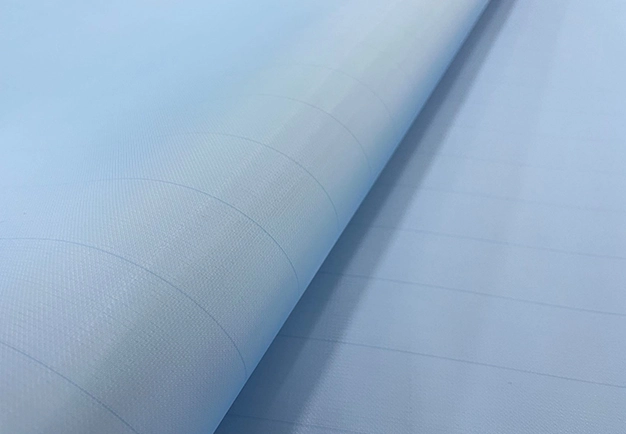
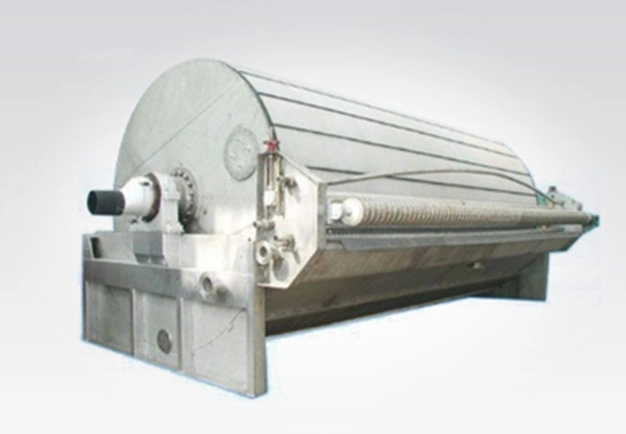
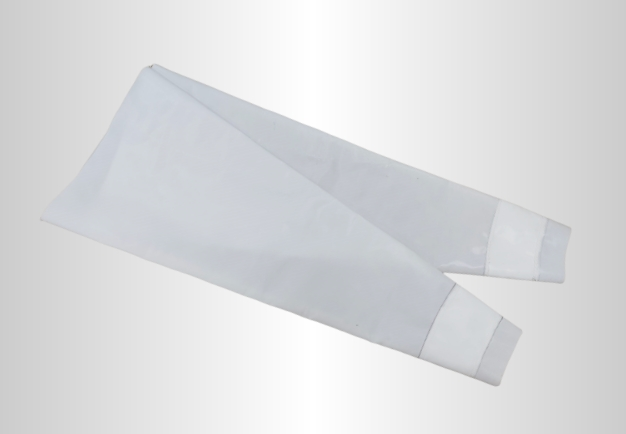
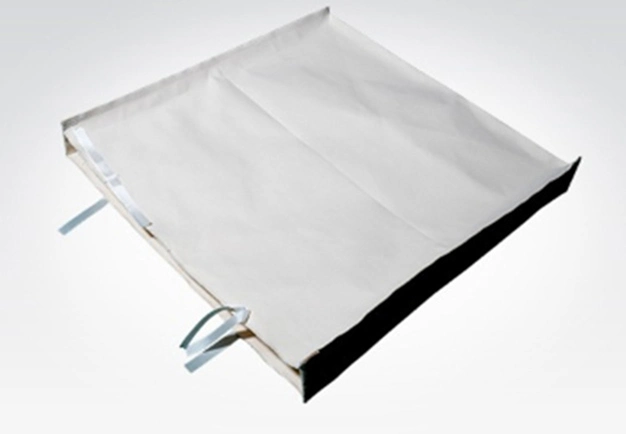
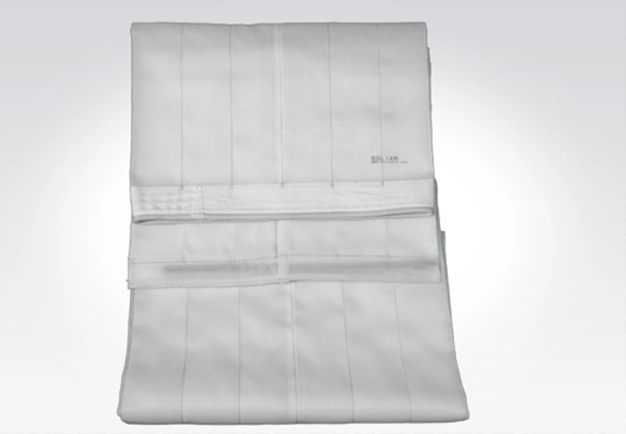
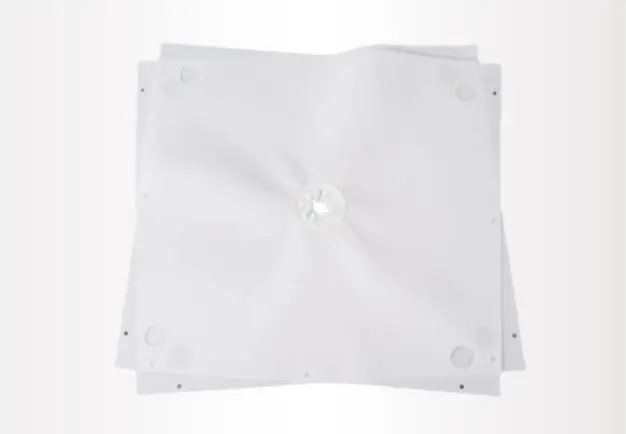
During the operation of disc filtration equipment, filter bag clogging can lead to reduced filtration efficiency and increased energy consumption. This article analyzes the key causes of clogging in disc filter bags and provides practical optimization solutions.
Clogging of disc filter bags is usually the result of a combination of factors, including material characteristics, filter bag selection, operating processes, and maintenance management.
Material Characteristics:
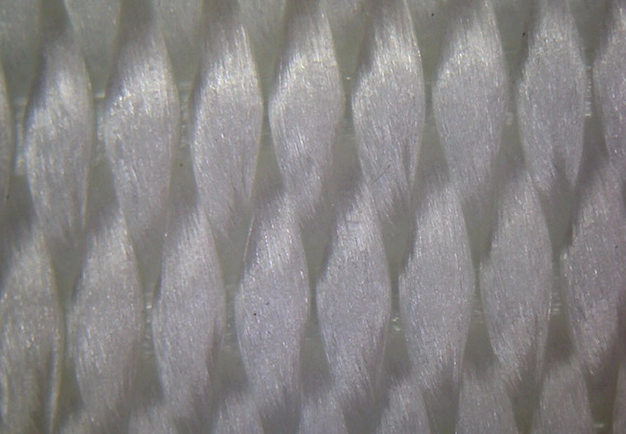
When the slurry contains a high proportion of fine particles, they can easily penetrate into the filter cloth and accumulate, causing blockage. High-viscosity materials or those containing oils tend to form a dense layer on the surface, hindering filtration.
Filter Bag Selection:
If the filter bag material, pore size accuracy, and surface treatment do not match the operating conditions, problems can arise directly. Too small a pore size can cause surface blinding and a sharp drop in flow rate; too large a pore size allows fine particles to pass through, leading to deep clogging. If the material is incompatible with the slurry’s chemical properties or temperature, fiber corrosion or swelling may occur, damaging the pore structure.
Operating Process:
Unstable feed concentration, excessive system vacuum (or pressure), and improper filtration/cleaning cycles can all disrupt proper cake formation.
The final critical factor is the failure of the cleaning and regeneration mechanism. Insufficient blow back pressure, inadequate duration, or contaminated cleaning media can prevent complete removal of residues. Over time, these residues accumulate and harden, ultimately reducing filter bag permeability.

Precise Selection and Custom Matching:
Based on material analysis (particle size, pH, temperature, viscosity, etc.), scientifically select the appropriate filter bag precision, material (such as antistatic, acid/alkali-resistant, membrane-coated), and structure.
Establish Efficient Cleaning and Maintenance Procedures:
Ensure the cleaning system operates at optimal conditions. Develop cleaning procedures tailored to the material. Regular offline deep cleaning can restore performance, combined with a preventive maintenance plan for scheduled replacement.
Full-Process Monitoring and Continuous Improvement:
Integrate filter bag management into the equipment health system. Record and analyze operational data and material changes for each clogging event, then optimize process conditions or adjust filter bag specifications accordingly.
In summary, effective management of disc filter bag clogging requires a shift from reactive response to proactive control. Through precise selection, strict process control, thorough cleaning maintenance, and continuous data analysis, the service life of filter bags can be significantly extended, ensuring stable, efficient, and cost-effective filtration system operation.