CN
CN
 EN
EN
 es
es  ru
ru 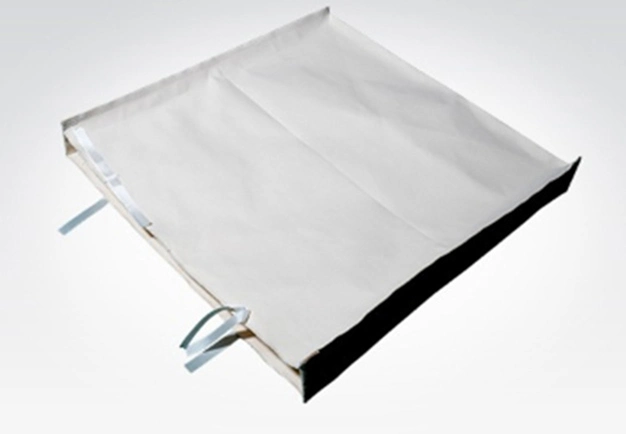




Dec 10, 2025

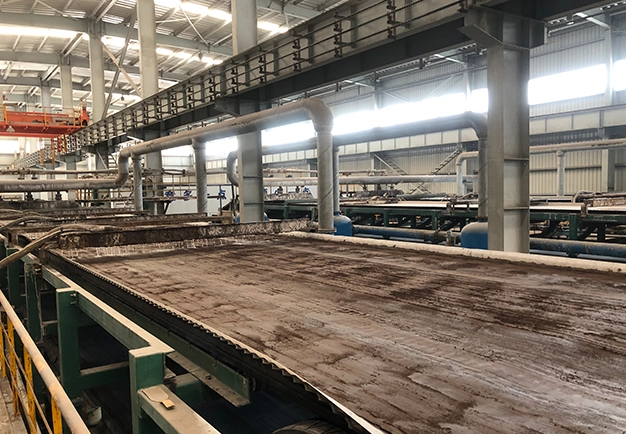
In industrial solid-liquid separation processes, filter cake dryness is a key indicator of filtration performance. It not only affects product quality but also impacts transportation costs, and overall production efficiency. Whether in mining, chemical processing, metallurgy, new energy, or sludge dewatering, reducing filter cake moisture content remains an important goal for optimizing production.
Even when using the same filtration equipment, the moisture content of the filter cake can vary significantly. This is because filter cake dryness is influenced by multiple factors, including equipment performance, material properties, and filter cloth selection.
The size, shape, and distribution of particles in the slurry directly influence the pore structure inside the filter cake. In general, larger and evenly distributed particles are more likely to form stable drainage channels, allowing moisture to escape more easily and resulting in lower cake moisture content.
In contrast, when fine particles make up a large proportion of the slurry, they tend to block pores, slow liquid flow, and trap more moisture within the filter cake. Therefore, understanding particle size distribution and material characteristics before filtration is essential for improving dewatering efficiency.
Appropriately increasing filtration pressure can help remove liquid more quickly. However, excessive pressure may over-compress the filter cake, reducing porosity and preventing residual moisture from escaping.
In addition, filtration time must also be carefully controlled. A cycle that is too short may result in insufficient dewatering, while an overly long cycle can reduce equipment efficiency. Therefore, identifying the right balance between filtration pressure and cycle time is an effective way to improve filter cake dryness under different operating conditions.
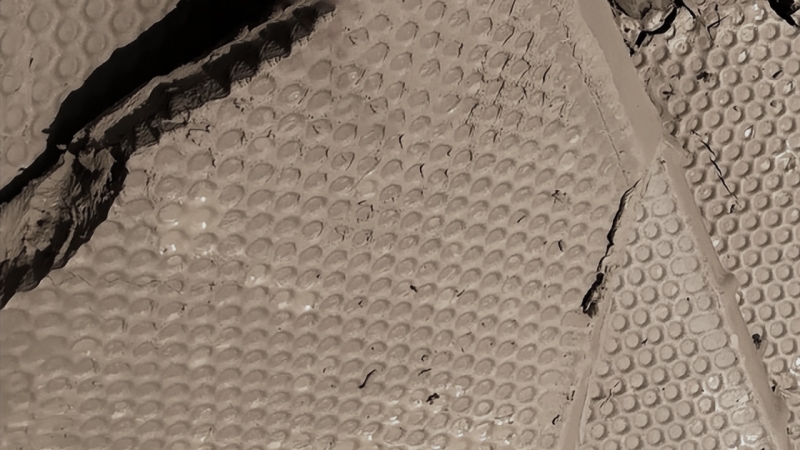
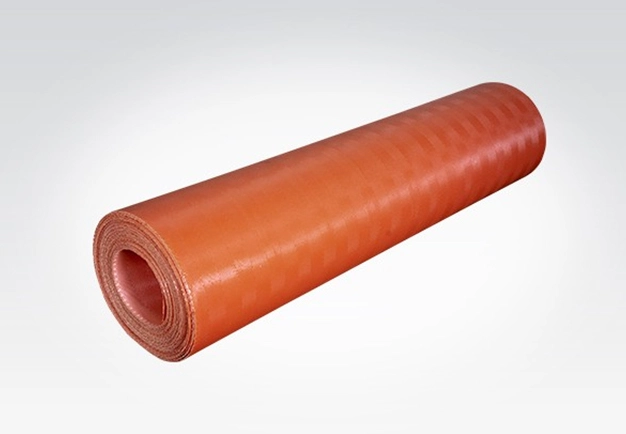
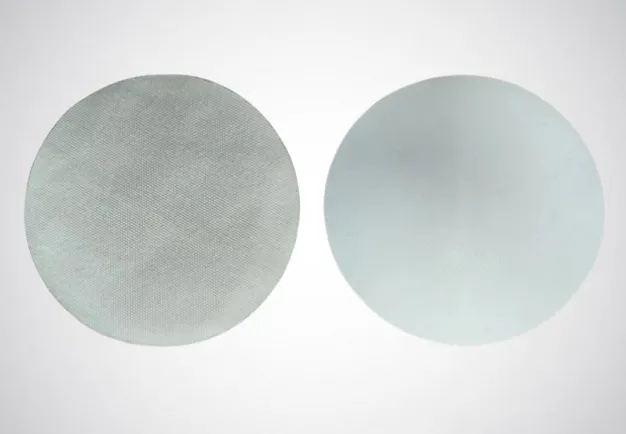
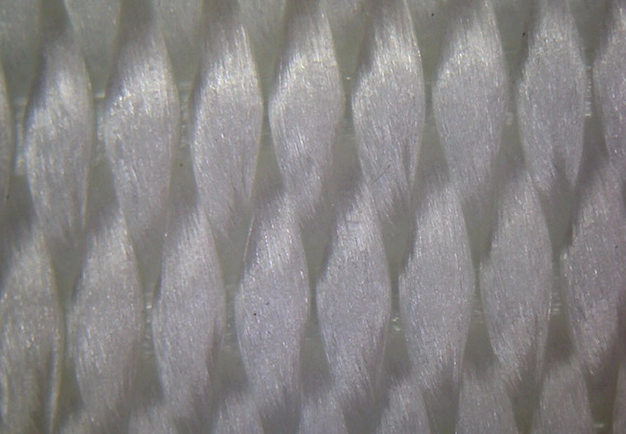
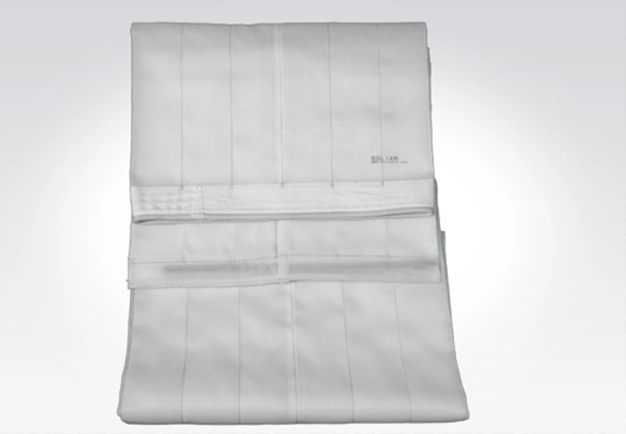
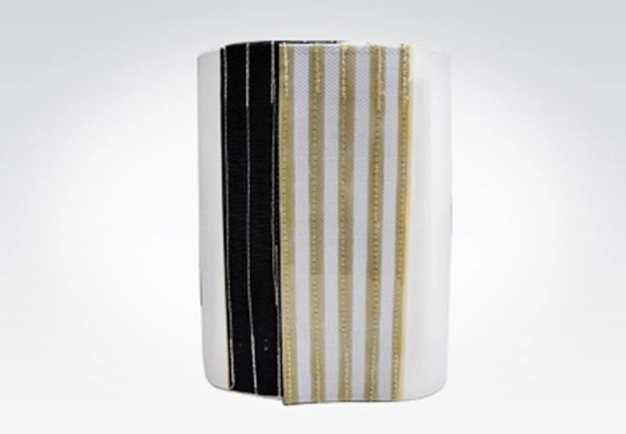
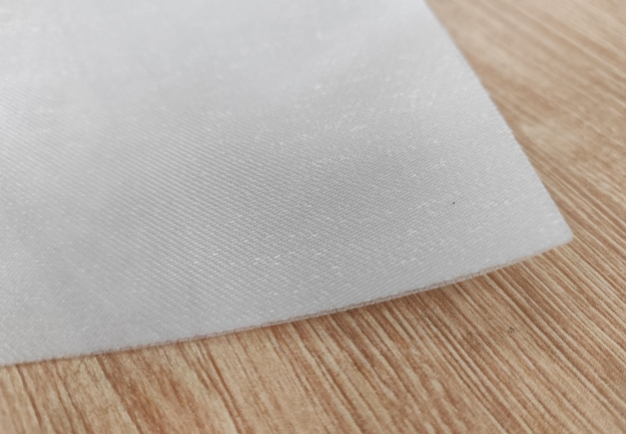
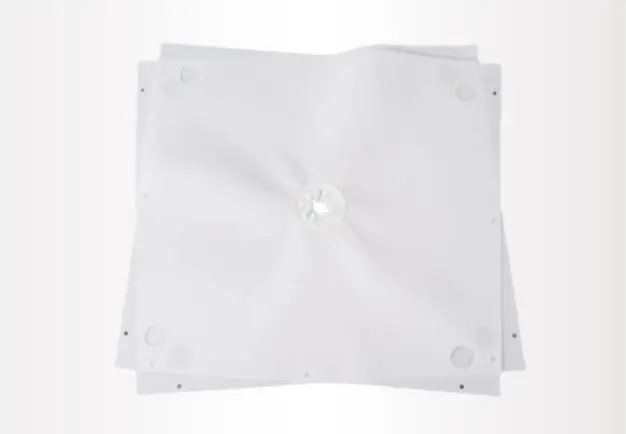
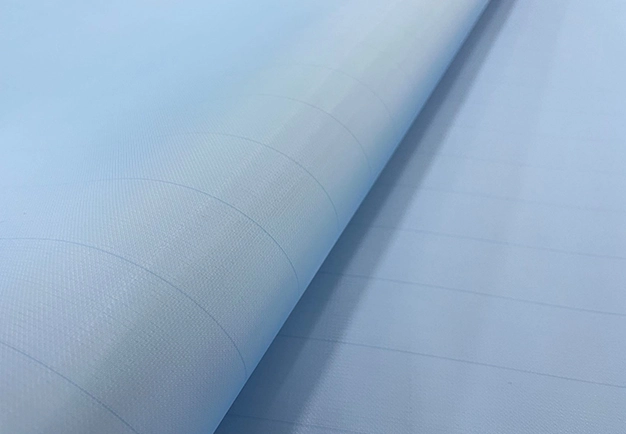
During the filtration process, parameters such as filter cloth material, air permeability, and pore size directly affect liquid flow and solid retention performance. If the filter cloth is not properly matched to the application, problems such as clogging, material leakage, or reduced filtration efficiency may occur.
For industrial operations, optimizing filtration processes and selecting suitable filter fabrics can not only reduce filter cake moisture content but also lower energy consumption and ensure more stable filtration performance.