CN
CN
 EN
EN
 es
es  ru
ru 




Nov 25, 2024

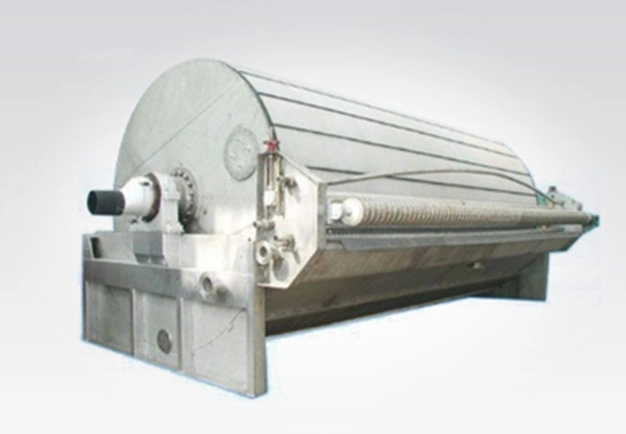
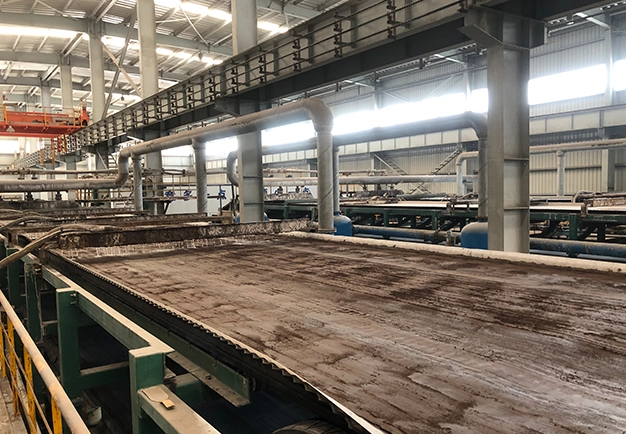
In industrial solid-liquid separation, filter cake dryness directly impacts product quality, storage requirements, and transportation costs. Achieving better dewatering performance requires more than just filtration equipment. A systematic optimization of process conditions, operating parameters, and filtration media is also essential.
Improving filter cake dryness often begins before filtration. By optimizing slurry conditions, fine particles can form more stable aggregates, helping create better drainage channels within the filter cake. When particle distribution becomes more uniform, liquid can flow out more efficiently, reducing moisture retention and improving overall filtration performance. However, different materials respond differently to conditioning methods, so adjustments should be made according to specific operating conditions.
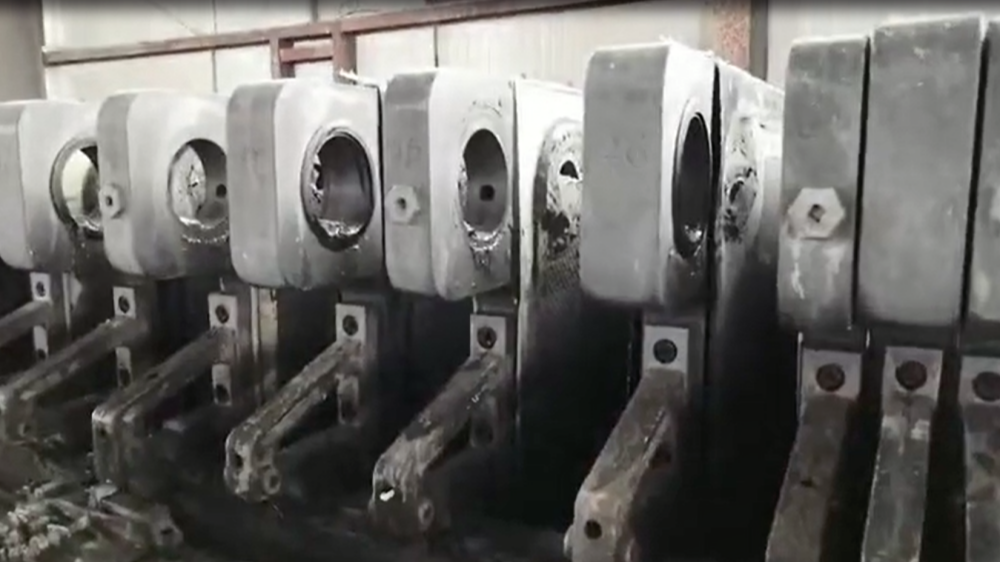
Operating conditions directly affect filter cake moisture content. Increasing filtration pressure may speed up liquid separation, but excessive pressure can compress the filter cake too tightly, preventing residual moisture from escaping. Filtration cycle time also requires careful control. A short cycle may result in insufficient dewatering, while an overly long cycle can reduce equipment efficiency. Therefore, optimizing operating parameters based on material characteristics is often more effective than simply increasing pressure.
After the initial separation process, enhanced dewatering methods can further reduce filter cake moisture content. For example, air-assisted drying or secondary pressing can help remove residual liquid trapped inside the filter cake.
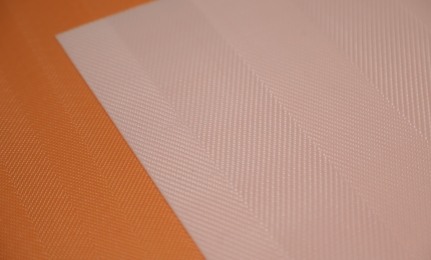
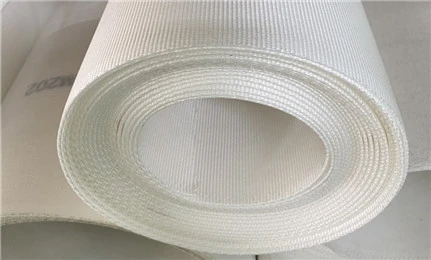
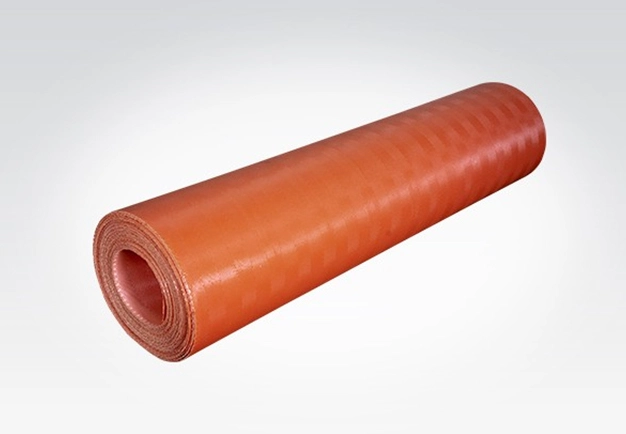
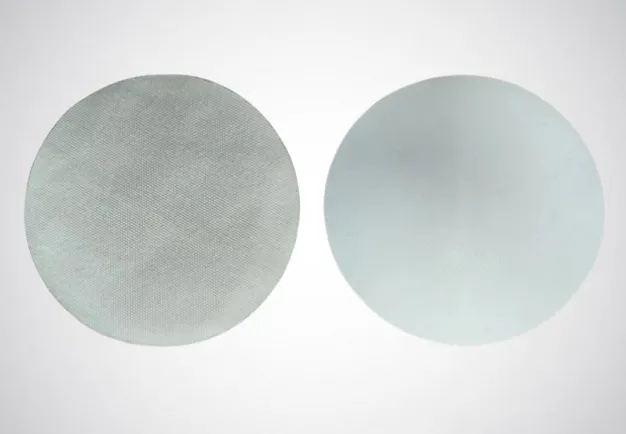
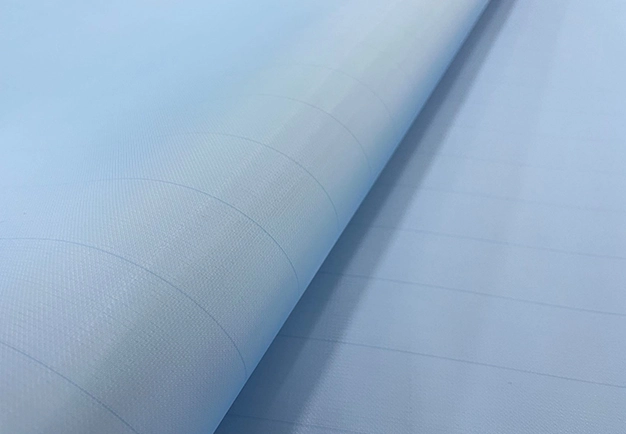
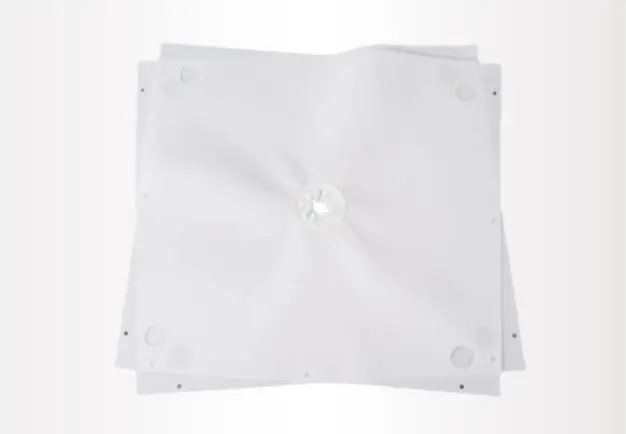
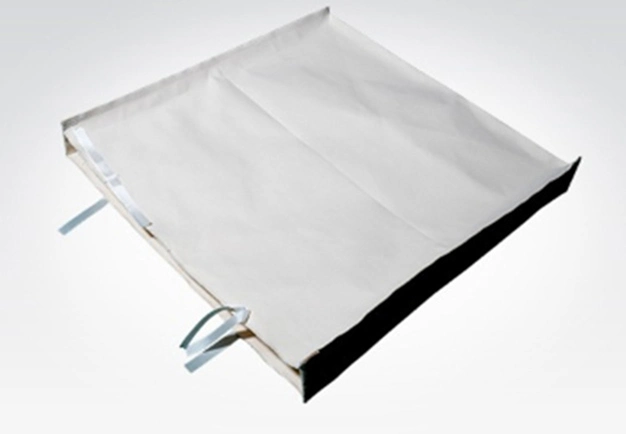
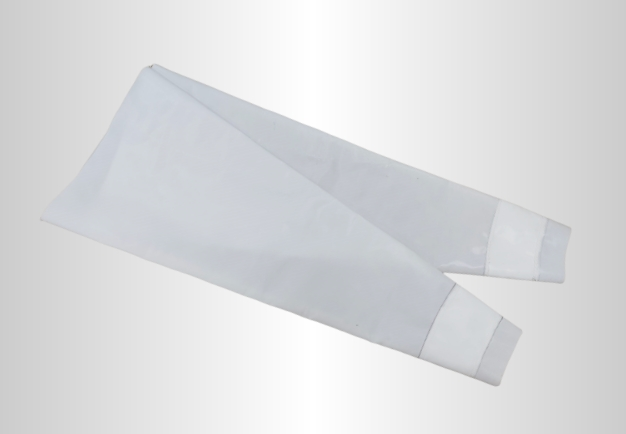
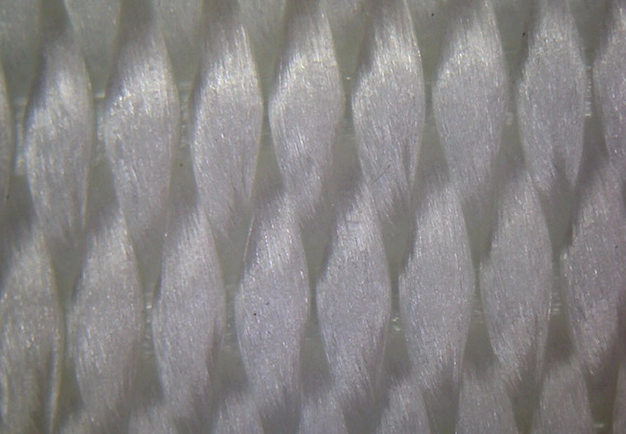
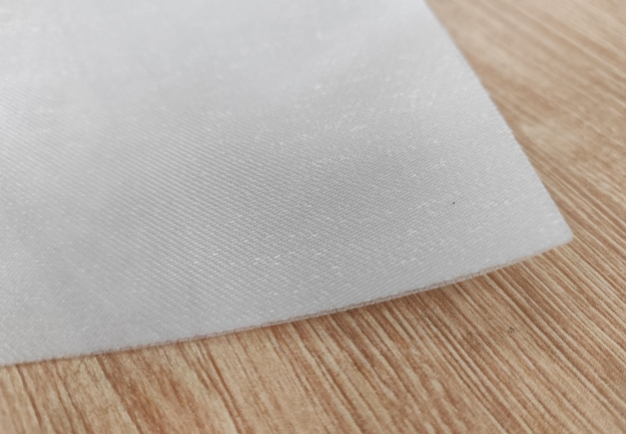
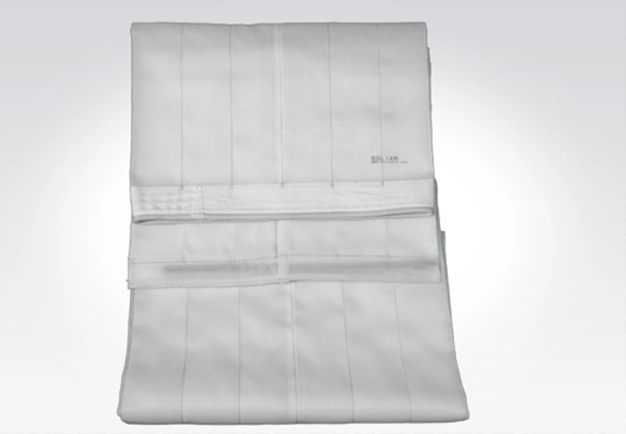
The material, permeability, and pore structure of filter cloth also influence dewatering performance. Selecting filtration media suited to operating conditions helps reduce clogging, improve liquid flow efficiency, and achieve more stable filtration performance.
Improving filter cake dryness does not rely on a single solution. Instead, it requires a comprehensive optimization approach, including slurry conditioning, operating parameters, and filtration media selection. Choosing suitable solutions based on material characteristics and equipment conditions can improve product quality, reduce energy consumption, and deliver better filtration performance.