CN
CN
 EN
EN
 es
es  ru
ru 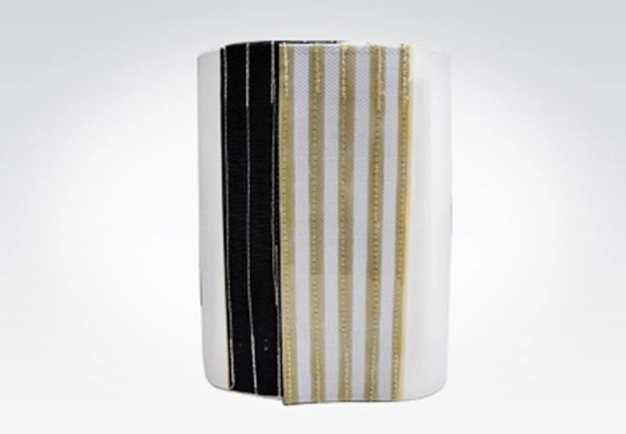



Sep 23, 2026

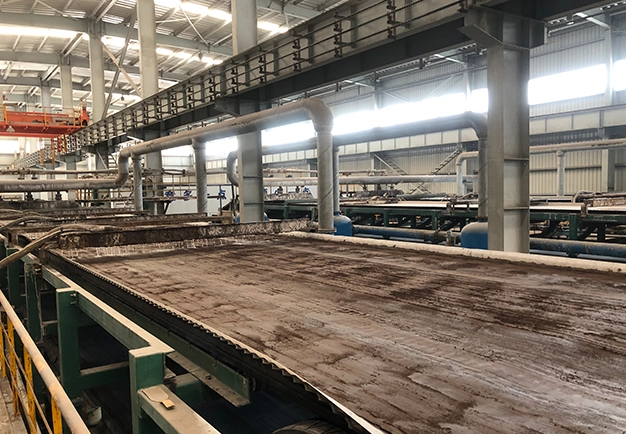
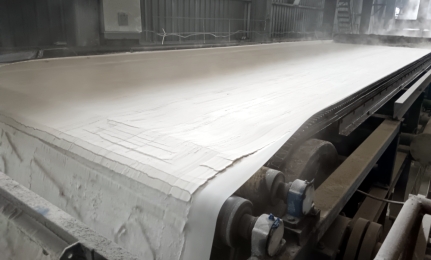
In industrial production processes, solid-liquid separation efficiency directly impacts product quality, equipment stability, and operational cost control. As a key component of filtration systems, industrial filter cloth plays an important role in ensuring efficient separation performance. Whether used in filter presses, belt filters, or disc filtration equipment, the performance of filter cloth directly affects filtration results and overall production efficiency. Therefore, selecting the right filter cloth for specific operating conditions has become a crucial step in optimizing industrial processes.
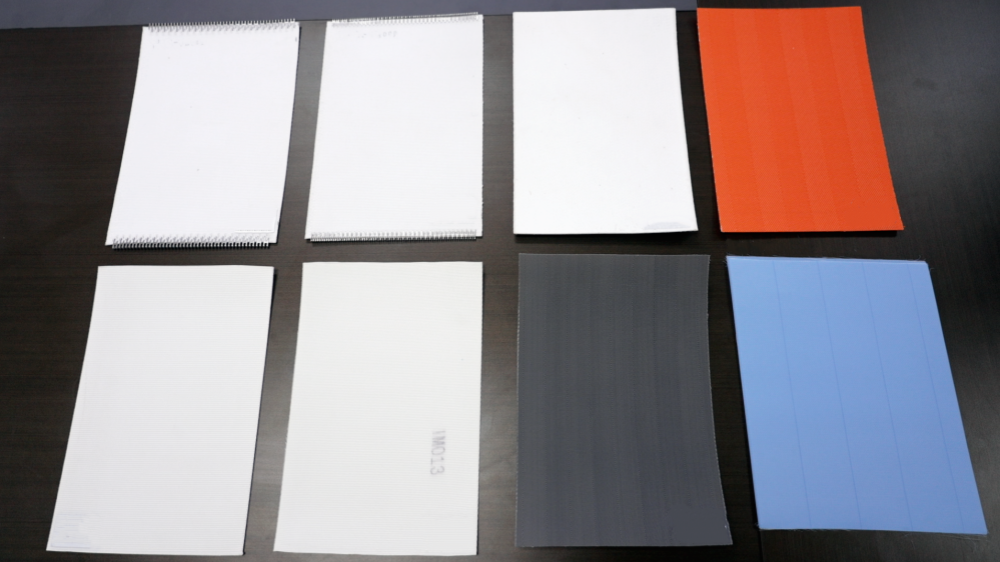
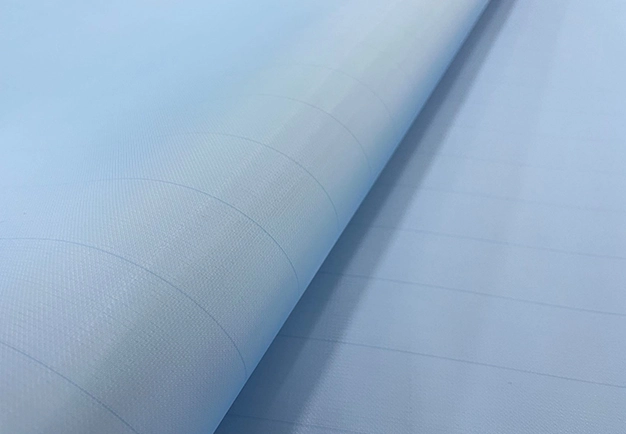
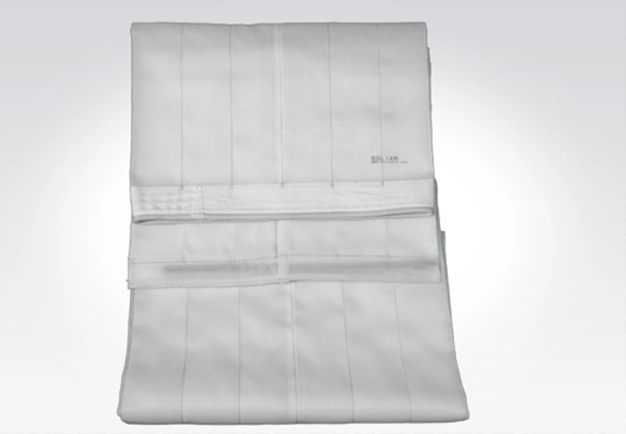
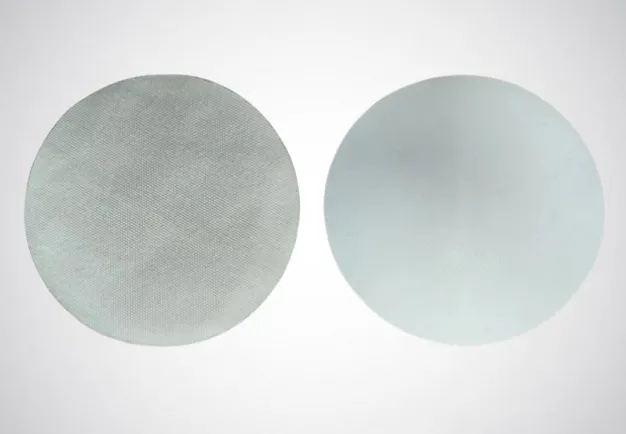
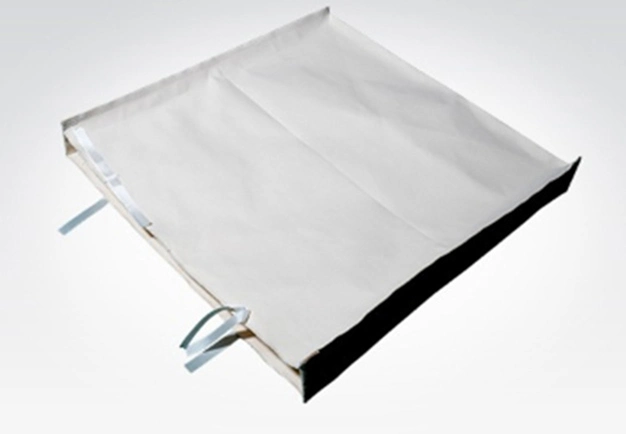
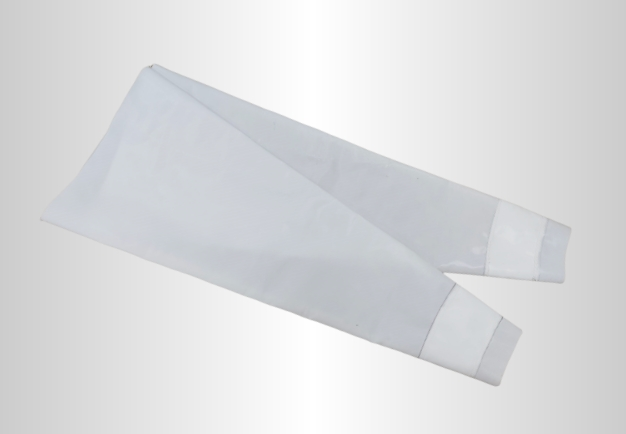
Industrial filter cloth serves as the primary filtration medium in solid-liquid separation systems. Its main function is to retain solid particles while allowing liquid to pass through efficiently, thereby forming stable filter cakes and achieving effective material separation.
First, filter cloth directly influences filter cake formation. High-performance filter cloth helps create uniform and stable filter cakes, making discharge easier and reducing material residue.
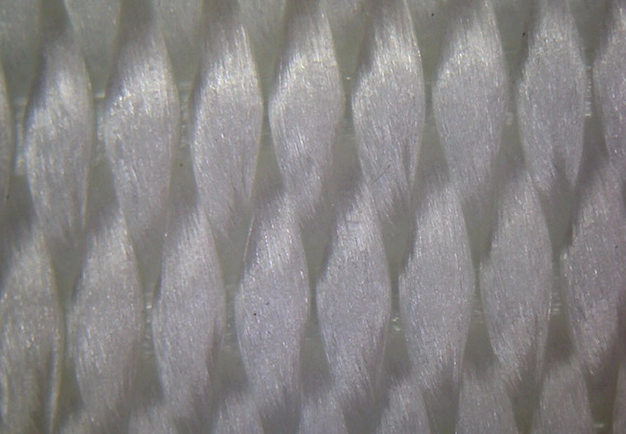
Second, filtration efficiency is closely related to filter cloth properties. Filtration speed, filtrate clarity, and filter cake moisture content are largely affected by factors such as pore structure, permeability, and surface characteristics. Properly selected filter cloth can improve filtration cycles and enhance production capacity.
In addition, durability plays a major role in operating costs. Filter cloth with excellent wear resistance, anti-clogging performance, and chemical resistance can significantly reduce replacement frequency and maintenance downtime, improving production continuity.
In practical applications, selecting filter cloth should not rely solely on experience. Instead, it should be based on performance testing under actual operating conditions. The following parameters are essential:
Filter cake formation quality: Affects discharge efficiency and material residue rates.
Cake compaction performance: Influences moisture content and drying costs.
Filtration cycle time: Determines processing efficiency and production capacity.
Filtrate clarity: Reflects filtration accuracy and liquid recovery quality.
Cake moisture content: Impacts energy consumption in subsequent processing.
Service life: Evaluates wear resistance, and anti-clogging performance.
Across industries such as mining, metallurgy, chemical processing, and wastewater treatment, selecting suitable industrial filter cloth can significantly improve filtration performance while reducing operating expenses. For example, in mineral processing plants, optimized filter cloth improves concentrate recovery and dewatering efficiency. In wastewater treatment, it enhances sludge dewatering performance and reduces disposal costs.
Overall, industrial filter cloth is not merely a consumable material—it is a critical factor affecting production efficiency, and product quality. By combining scientific selection methods with performance optimization, companies can achieve stable, efficient, and sustainable filtration solutions.