CN
CN
 EN
EN
 es
es  ru
ru 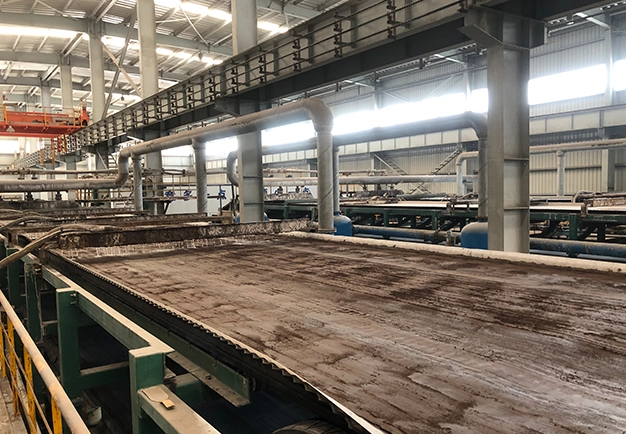



Sep 11, 2025

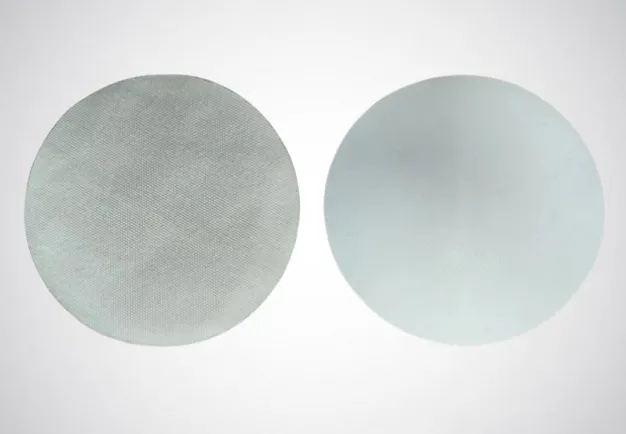
In industrial filtration and solid-liquid separation, double layer monofilament filter cloth has become a commonly used filtration medium in belt filter presses due to its smooth surface, stable structure, and anti-clogging performance. Choosing the right filter cloth for specific operating conditions is essential for extending service life, reducing maintenance frequency, and optimizing overall operating costs.
When selecting a double layer monofilament filter cloth, the first step is to understand the characteristics of the filtration material. Particle size and distribution directly determine the required filtration precision.
For fine particles, a filter cloth with smaller pore sizes and a denser weave is recommended to prevent material leakage. For larger particles, it is important to balance filtration efficiency and permeability to reduce operating resistance. If the material is highly abrasive, wear-resistant filter cloth materials should be prioritized to improve durability.
For applications involving acidic, alkaline, or corrosive environments, the filter cloth material should match the chemical properties of the medium.
For example, polypropylene (PP) filter cloth offers excellent resistance to acids and alkalis, making it suitable for chemical processing and mining industries. Polyester (PET) filter cloth, on the other hand, provides higher mechanical strength but should be used cautiously in strong alkaline conditions. In high-temperature applications, thermal resistance must also be considered to prevent deformation or premature aging.
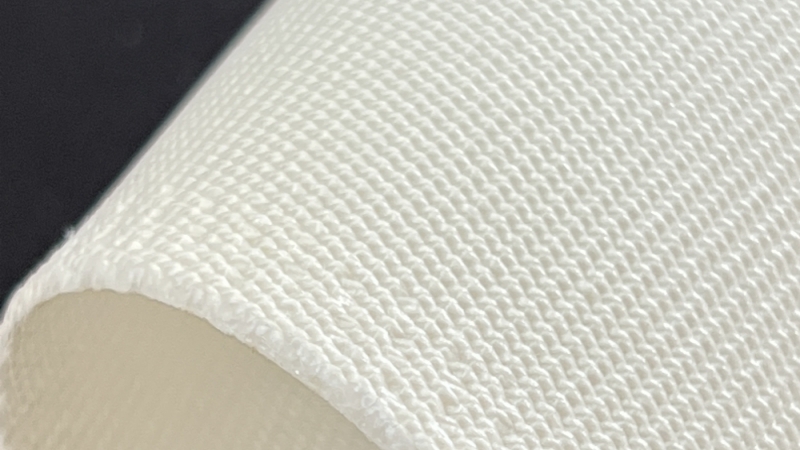
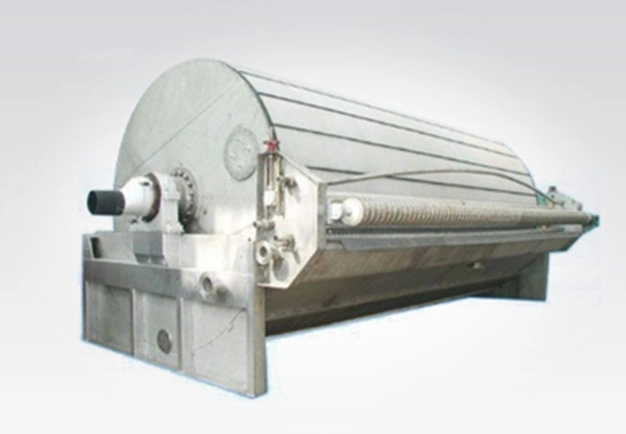
Equipment type and operating conditions also influence filter cloth selection. Different filtration equipment may require different performance characteristics. Factors such as filtration cycle, operating pressure, and installation method can all affect filter cloth performance and lifespan.
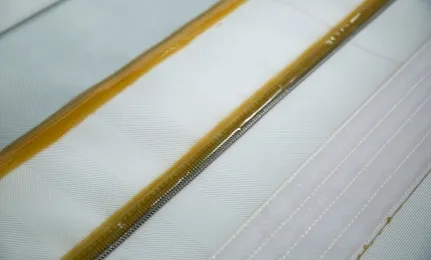
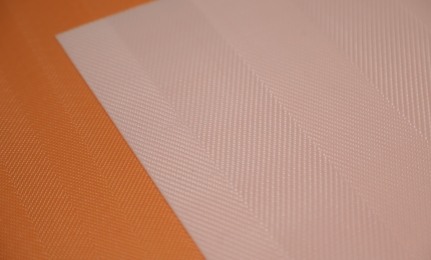
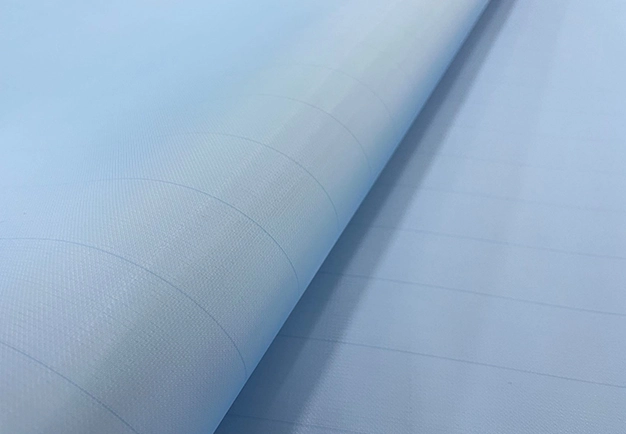
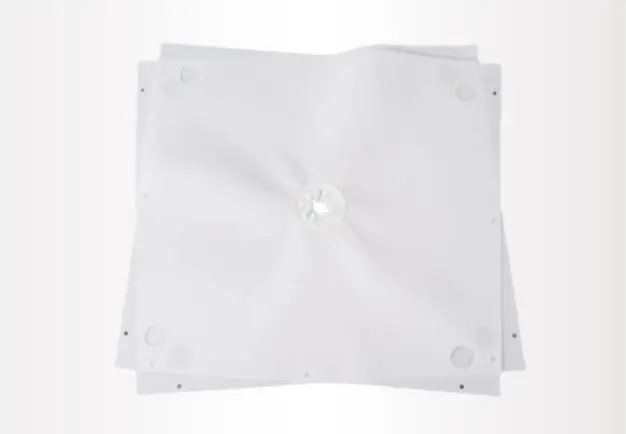
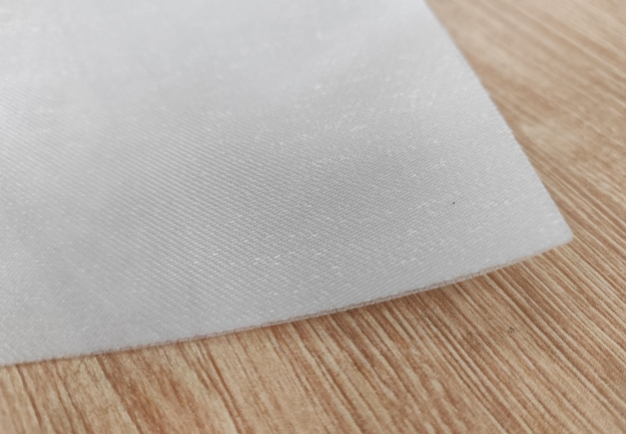
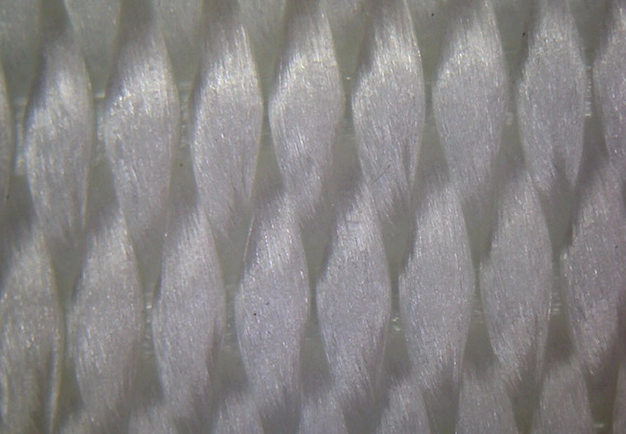
Double layer monofilament filter cloth is typically designed with a monofilament surface layer and a support layer. The smooth monofilament surface helps prevent filter cake adhesion, making discharge and cleaning easier. The support layer provides additional mechanical strength and structural stability.
In addition, weaving patterns, pore sizes, and finishing treatments can affect filtration precision, permeability, and anti-clogging performance.
Therefore, selecting the right double layer monofilament filter cloth requires careful consideration of material characteristics, operating conditions, and filter cloth structure to achieve efficient and stable filtration performance.