CN
CN
 EN
EN
 es
es  ru
ru 



Jun 04, 2025

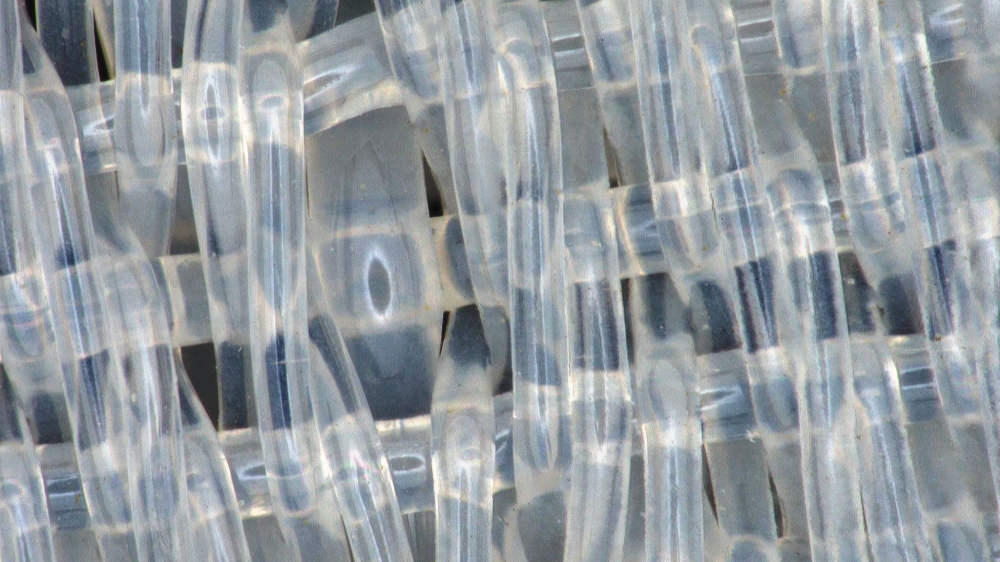
Air permeability of filter cloth refers to the volume of gas that can pass through a unit area of fabric under specific temperature and pressure conditions within a given time. It is one of the key performance parameters of filter cloth, directly affecting filtration efficiency, cake formation rate, and equipment stability.
In addition to air permeability, other important parameters include chemical resistance (acid and alkali resistance), temperature resistance, tensile strength, thickness, weight per unit area, and fiber density.
Different regions and industries use different measurement standards:
China: L/m²/s, commonly tested at 200 Pa (L/m²/s @ 200 Pa)
Europe: L/dm²/min, tested at 200 Pa with a test area of 20 cm²
USA: CFM (cubic feet per minute), tested at 125 Pa with a test area of 38 cm²
Due to differences in testing standards, unit conversion is necessary when comparing data across regions.
1 mm/s = 0.197 cfm
1 L/dm²/min = 1.67 mm/s
1 cm³/cm²/s = 10 mm/s
1 L/m²/s = 1.00 mm/s = 0.197 cfm
1 m³/m²/min = 16.7 mm/s
1 m³/m²/h=0.278mm/s
Understanding these conversions helps improve technical communication and supports accurate filter cloth selection.
During production, Bolian strictly follows standardized manufacturing processes. Each production stage undergoes careful inspection in accordance with ISO9001 quality management standards, ensuring that every batch and every piece of filter cloth meets consistent quality requirements and provides reliable solid-liquid separation performance.

-filter-cloth-and-polyester-(pet)-filter-cloth.webp "Two Methods to Distinguish Polypropylene (PP) Filter Cloth and Polyester (PET) Filter Cloth!")