CN
CN
 EN
EN
 es
es  ru
ru 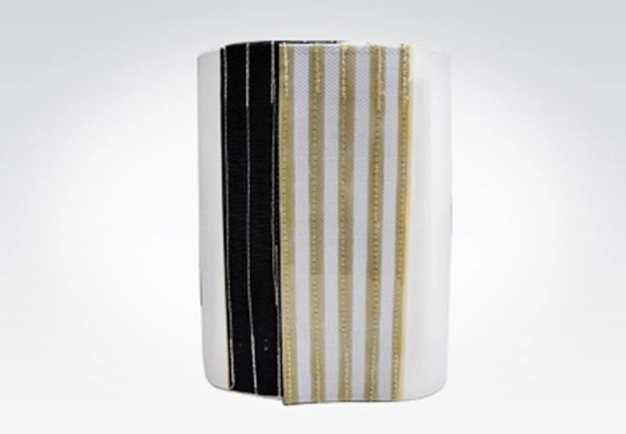



Apr 15, 2025

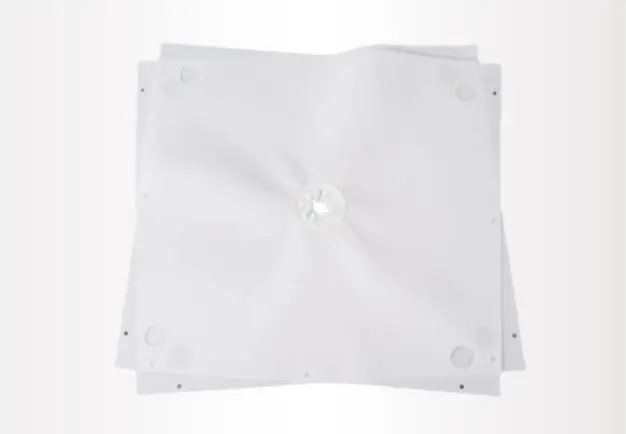
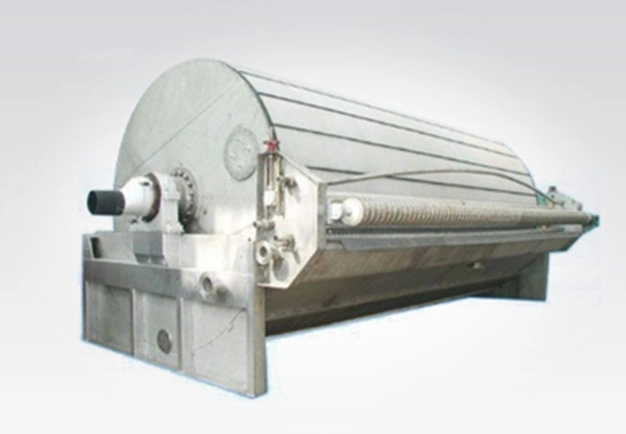
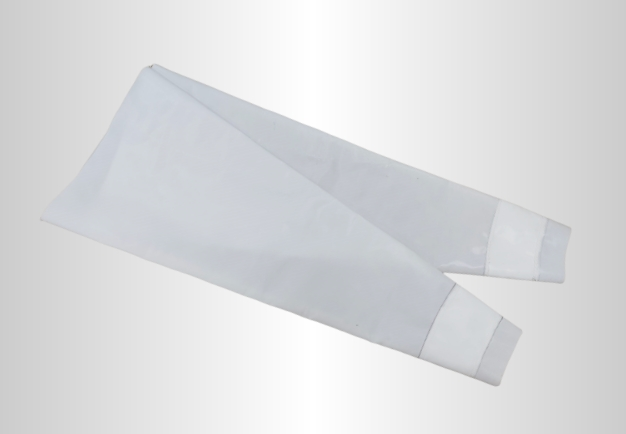
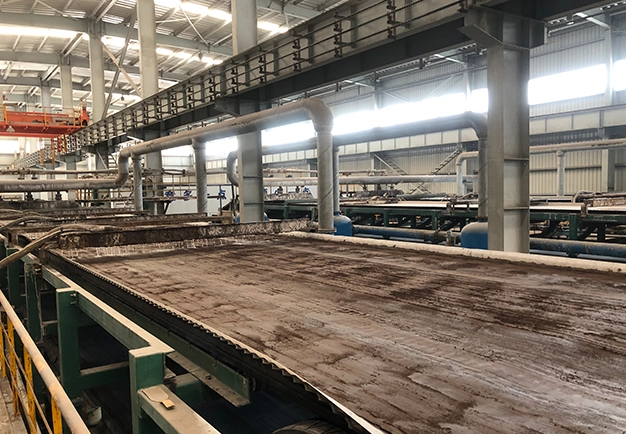
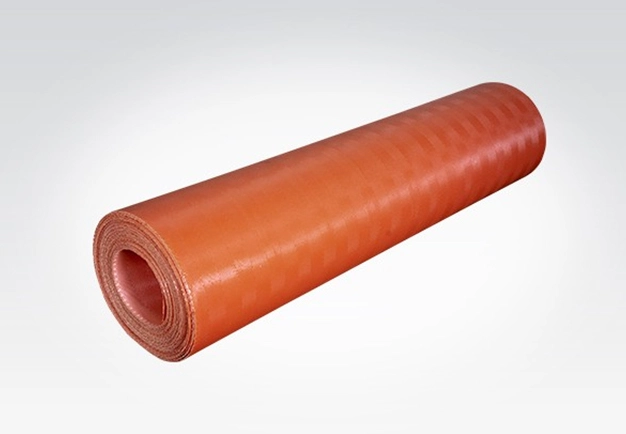
In industrial production, filter presses are widely used for slurry dewatering and solid-liquid separation. As an important component of the filter press, the filter cloth directly affects filtration performance. Proper selection can improve filtration efficiency, reduce operating costs, and extend service life.
Common filter cloth materials for filter presses include PP, PET, and PA.
PP filter cloth is suitable for filtration environments requiring high chemical stability, especially applications involving acids, alkalis, and corrosive materials.
PET filter cloth offers high mechanical strength and excellent wear resistance, making it suitable for mining slurry and other abrasive applications.
PA filter cloth provides good abrasion resistance and flexibility.
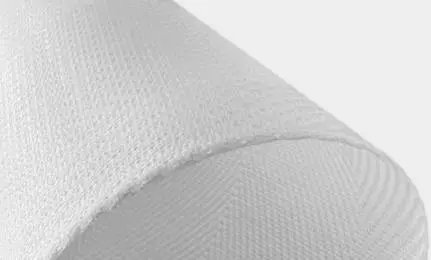
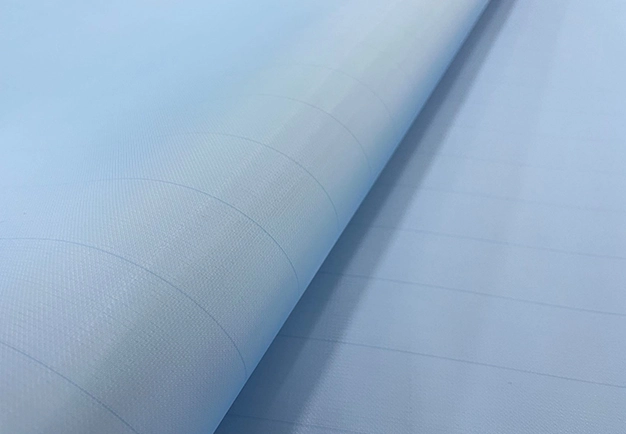
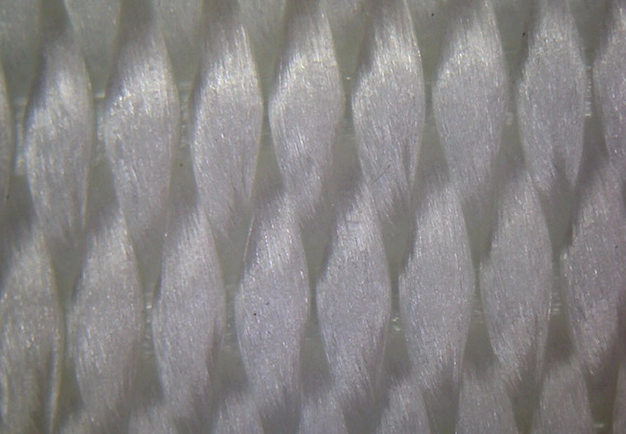
The structure of filter cloth affects filtration accuracy, flow rate, and cake release performance.
Monofilament filter cloth has a smooth surface, is less prone to clogging, and provides excellent cake release performance.
Multifilament filter cloth features a finer fiber structure and stronger particle retention capability, making it suitable for fine particle filtration.
Different filter cakes require different filter cloth properties.
For highly sticky filter cakes, filter cloth with a smooth surface and good cake release performance is preferred. For fine particles and high-concentration slurry, filter cloth with stronger retention capability can help reduce particle leakage. For mineral slurry containing large amounts of hard particles, high-strength and wear-resistant filter cloth should be selected to extend service life.
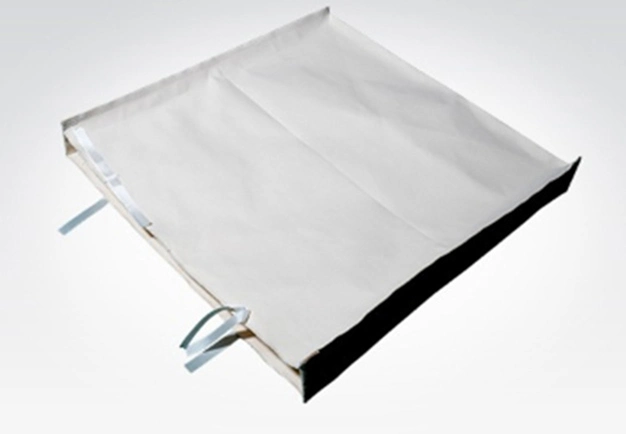
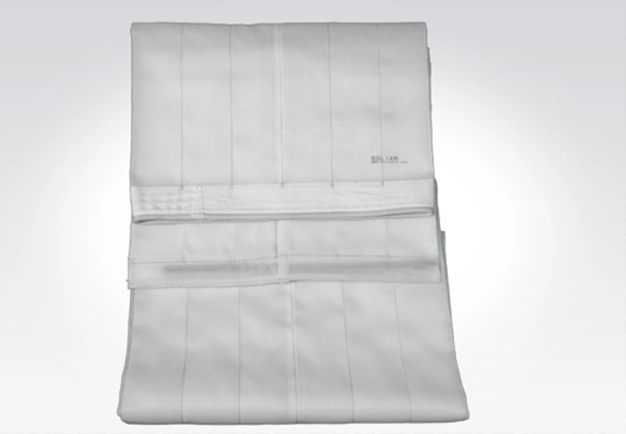
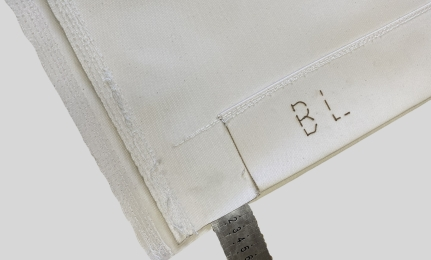
Filter cloth selection should also consider the filter press model, plate dimensions, and installation method. Proper matching helps maintain sealing performance, reduce problems such as leakage and deformation, and improve filtration stability.
When selecting filter cloth for filter presses, important factors include material properties, chemical resistance, filtration accuracy, air permeability, tensile strength, dimensional stability, and weaving structure.
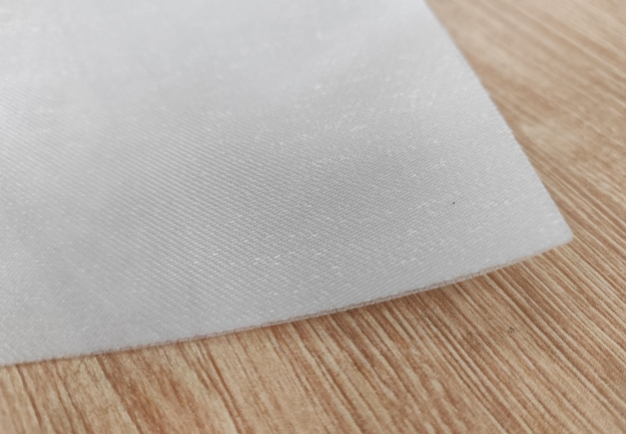
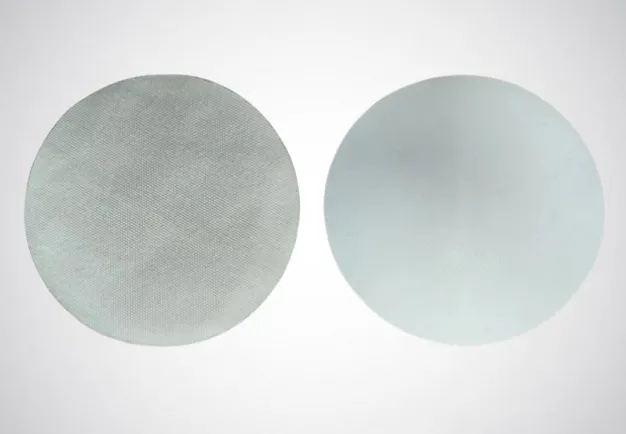
Filter cloth treated with processes such as heat setting and calendering generally provides better surface smoothness, dimensional stability, and cake release performance.
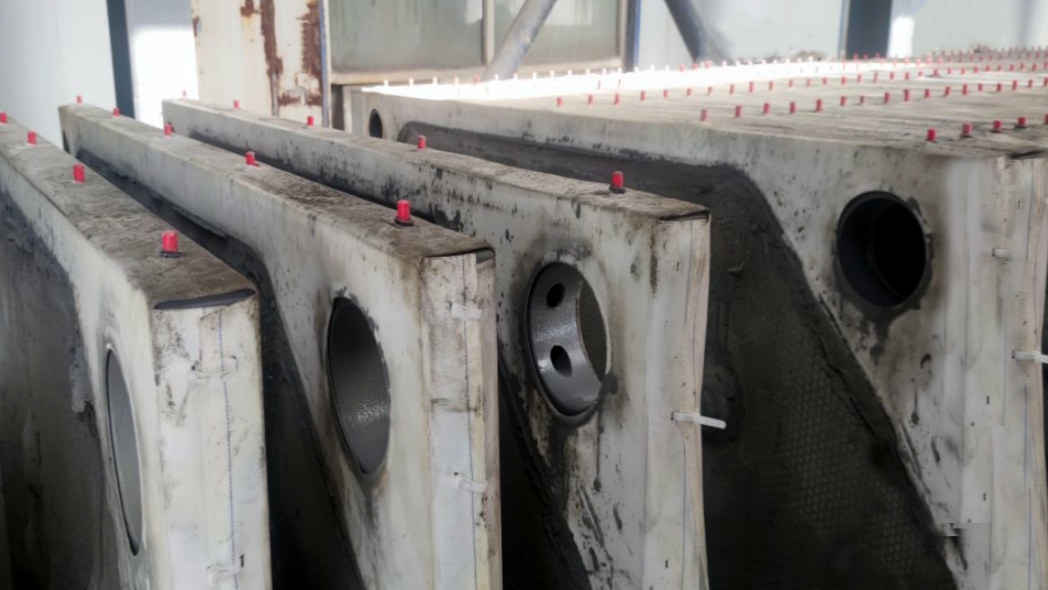
During the selection process, factors such as filtration material, temperature, pH value, solid content, and filtration objectives should be considered comprehensively.
Choosing the right filter cloth for a filter press can improve filtration efficiency, enhance filter cake quality, reduce maintenance costs, and extend filter cloth service life.