CN
CN
 EN
EN
 es
es  ru
ru 




Apr 08, 2026

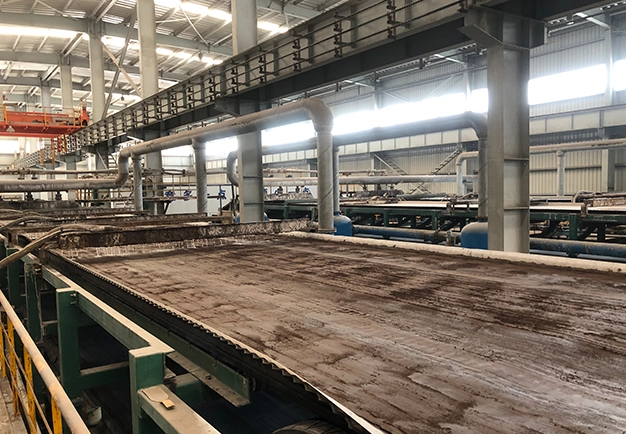
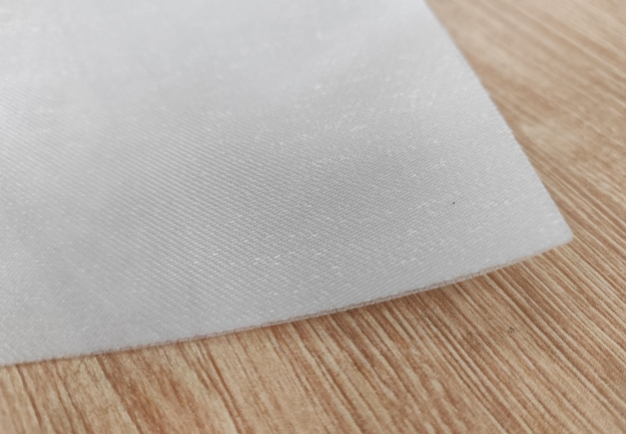
In coal preparation, mineral processing, and other solid-liquid separation operations, filter cloth clogging is a frequent challenge that affects filter press performance. Blocked filter cloths can reduce filtration efficiency, increase cycle time, raise filter cake moisture, and shorten cloth service life. Identifying the root causes and applying effective solutions are essential for maintaining stable and efficient filtration.
Filter presses rely on filter cloths to separate solids from liquids. During operation, liquid passes through the cloth while solid particles accumulate to form a filter cake. When fine particles, sticky materials, or chemical residues penetrate and block the fabric structure, filtration resistance increases.
Typical signs of filter cloth clogging include:
· Extended filtration cycles;
· Reduced filtrate flow;
· Increased filter cake moisture;
· Poor cake release;
· More frequent filter cloth replacement.
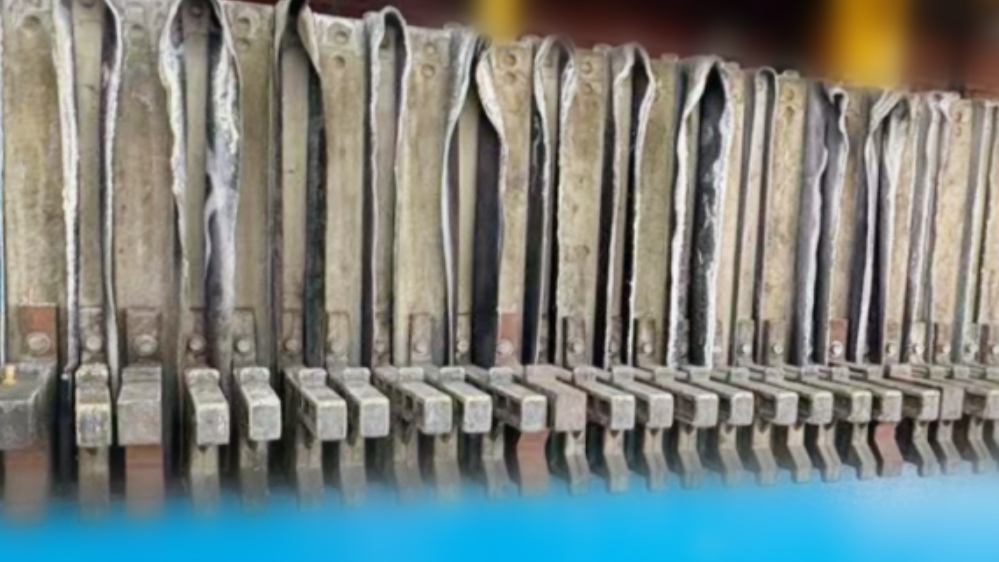
Slurry conditions have a direct impact on filtration performance. Variations in solid concentration, viscosity, and particle size distribution may change the way particles interact with the filter cloth.
A higher proportion of fine particles can create a dense cake layer, reducing liquid permeability and increasing filtration resistance.
During operation, it is important to monitor:
Slurry concentration;
Particle size distribution;
Fine particle content.
Even with the same filter cloth, changes in feed material properties can significantly affect filtration results.
Choosing a filter cloth is not simply about selecting the tightest filtration structure. A cloth with very small openings may provide better particle retention but can become blocked more easily, while a more open structure may cause solids leakage.
The right filter cloth should be selected based on:
Material characteristics;
Filter cloth structure;
Air permeability;
Wear resistance;
Equipment operating conditions.
A proper match between the filter cloth and application helps achieve better filtration performance and longer service life.
During continuous operation, contaminants may gradually accumulate on or inside the filter cloth, reducing permeability. Proper cleaning methods are necessary to remove deposits and restore filtration performance.
Chemical conditioning also plays an important role. Improper selection or dosage of additives such as flocculants may increase particle adhesion, making clogging more likely.
Solving filter cloth clogging requires a systematic approach rather than simply replacing the cloth. Key improvement measures include:
Checking changes in slurry conditions;
Analyzing particle size distribution;
Optimizing cleaning procedures;
Reviewing whether the current filter cloth matches the application requirements.
Filter cloth performance is influenced by both product characteristics and operating conditions. Changes in feed materials, pressure parameters, or cleaning methods may affect filtration results.
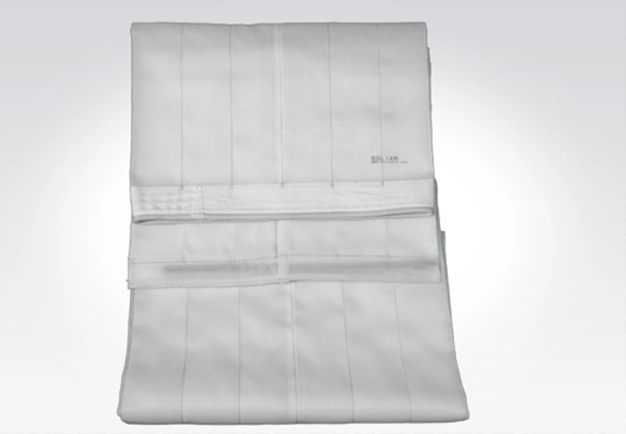
With extensive experience in industrial filter cloth, Bolian provides customized filter press cloth solutions for coal, mining, chemical, and environmental applications. By optimizing fabric materials and structures, Bolian helps customers improve filtration efficiency, reduce clogging issues, and achieve reliable solid-liquid separation performance.