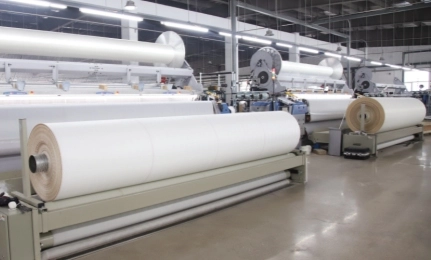
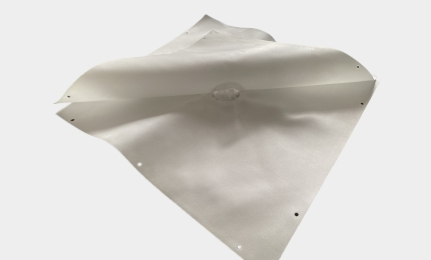
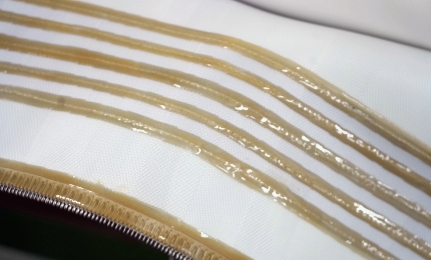
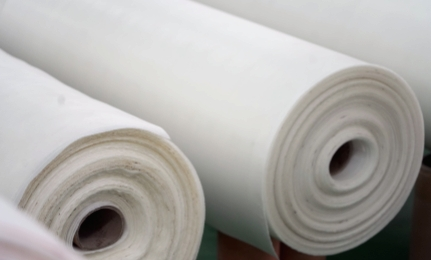
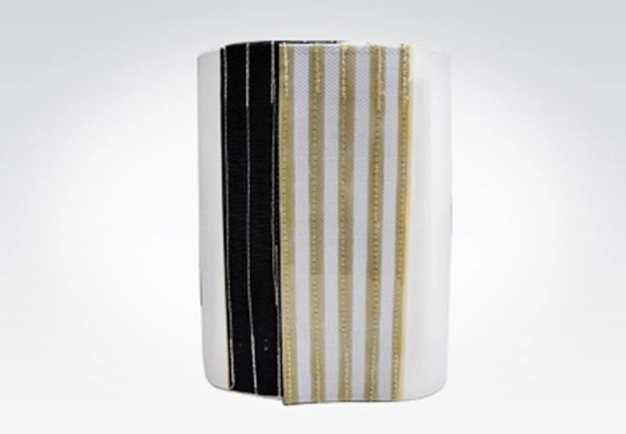
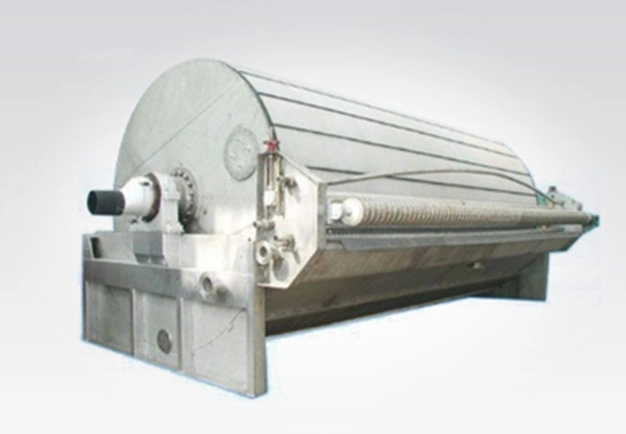
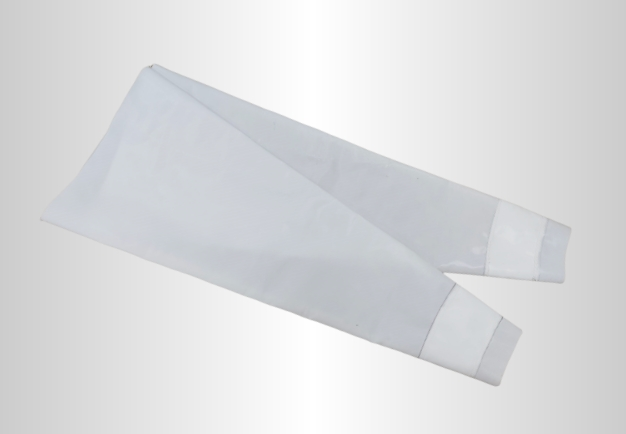
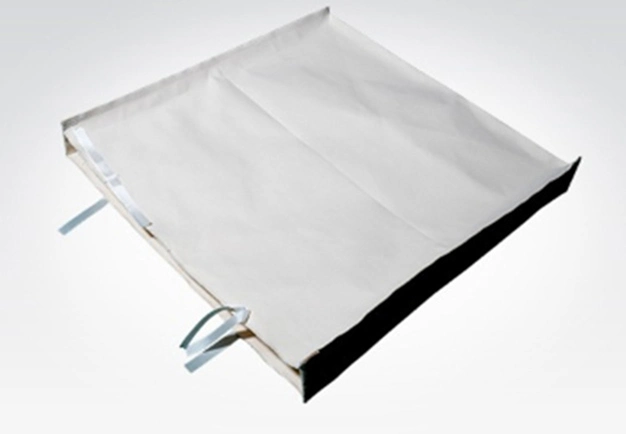
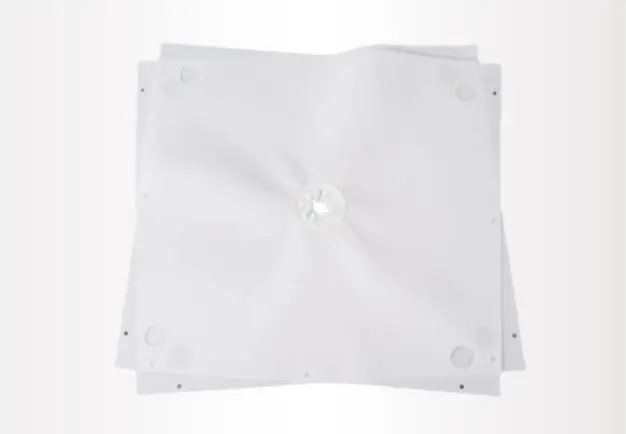
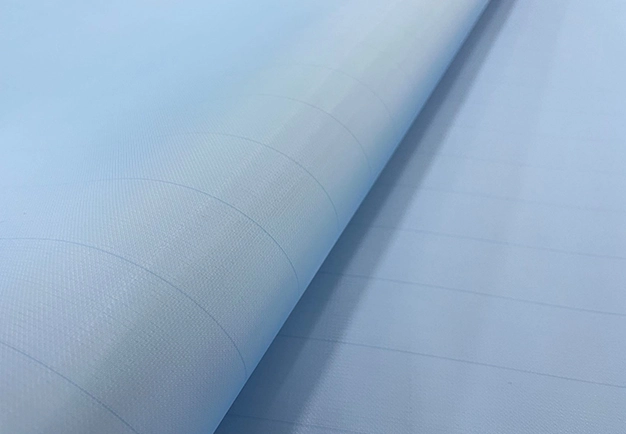
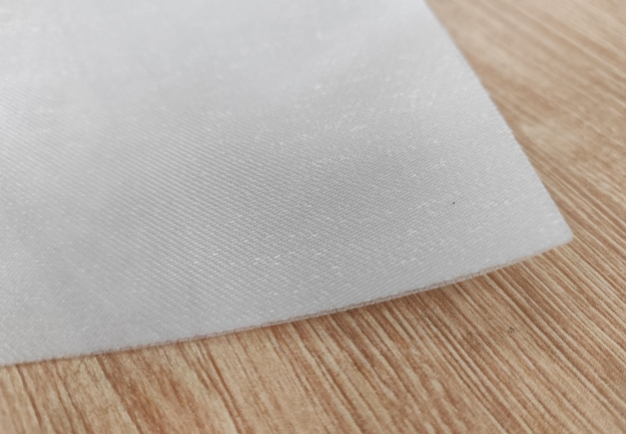
Filter cloth is the key part of filtration equipment, directly affecting separation performance and playing a vital role in solid-liquid separation. Various issues may arise during use. Below is a sum...
Filter cloth is the core of filtration equipment, which directly affects the separation effect and plays a key role in liquid-solid separation. Many common problems occurs when using, the following su...
Industrial filter cloth is a commonly used filtration medium. However, apart from industrial filter cloth, what other types of filtration media are there, and how are they classified? Below, Bolian, a...
Filter cloth, as an important filtration medium, is a critical component of filtration equipment. Over time, clogging issues may occur, making early detection and intervention essential. Here are comp...
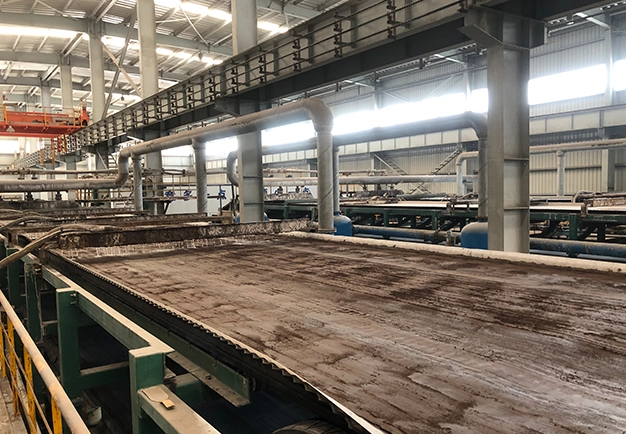
Phosphogypsum is an industrial solid waste produced in the wet process of phosphoric acid, which is mainly composed of calcium sulfate dihydrate (CaSO₄-2H₂O) and contains impurities such as undecomp...
The vertical leaf filter is characterized by its relatively simple structure, high level of automation, impressive efficiency, and compact footprint. When utilized with vertical leaf filter cloth, it ...
Industrial filtration is a process in which particulate matter dispersed in gas or liquid is separated and captured using filtration equipment. Filtration materials, characterized by a large internal ...
Polyester, polypropylene, and nylon are among the most commonly used materials for filter cloths, widely applied in various industries. This article focuses on the acid resistance of these three mater...
The twisting and folded twisting of filter press fabrics are key processes in yarn manufacturing. Twisting primarily applies to multi-filament yarns. The twisting process includes initial twisting and...
The unit terms of filter cloth include air permeability, pore size, density, thickness, grams, and breaking strength. Please refer to the definitions and descriptions below for a comprehensive overvie...
 CN
CN
 EN
EN
 es
es  ru
ru 

.webp "Common Issues and Solutions for Industrial Filter Cloths (Ⅱ)")
.webp "Industrial Filter Cloth Common Problems and Solutions (I)")